The Swastika Flag, once a sacred symbol in diverse cultures, became tainted by its adoption as Nazi Germany's emblem. This historical association has led to global controversy regarding its display. Today, responsible use requires understanding its complex history and cultural nuances. While banned or restricted in many Western countries, it holds significant religious value in Eastern traditions. Distinguishing traditional uses from Nazi appropriation is crucial. Trusted flag suppliers offer historically accurate products, promoting awareness and ethical exploration online. Crafting traditional Swastika Banners involves artistic techniques preserving cultural integrity. Display requires sensitivity, research, and respect for survivors' emotions to avoid legal issues and public backlash.
The swastika flag, a symbol of complex cultural heritage, has gained both fascination and controversy. For those seeking to create or acquire these flags, the quest can be daunting. This article serves as your authoritative guide, tackling the critical question: where to find Swastika Flag makers? We explore traditional artisan communities, modern print-on-demand services, and bespoke flag design studios, offering insights into each option's authenticity, quality, and ethical considerations. By the end, you'll be equipped with the knowledge to navigate this intricate landscape and select the perfect source for your Swastika Flag needs.
- Understanding the Swastika Flag: History and Symbolism
- Legal Considerations for Swastika Banner Creation
- Online Resources for Custom Swastika Flag Makers
- Traditional Techniques for Crafting Swastika Banners
- Ethical Guidelines for Displaying Swastika Flags
Understanding the Swastika Flag: History and Symbolism
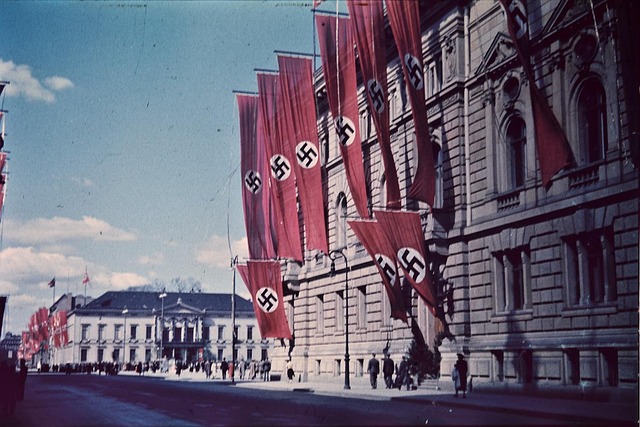
The Swastika Flag, a symbol steeped in history, has evolved from an ancient marker of good fortune to a subject of intense controversy. Unraveling the Swastika mystery requires a journey back through time and across cultures. Originally a sacred symbol in Hinduism, Buddhism, and Jainism, representing spiritual progress and prosperity, its meaning began to shift in the modern era. When did the swastika become controversial? The turn of the 20th century saw its appropriation by Nazi Germany, transforming it into an emblem of hatred and oppression. This drastic change has left many grappling with the flag's complex legacy.
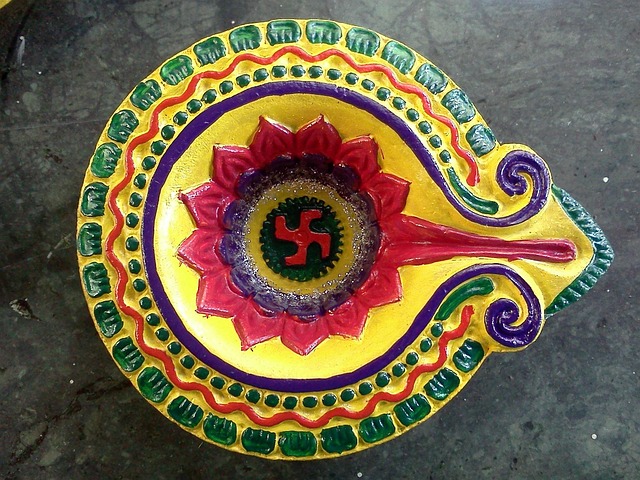
Understanding the Swastika Flag involves recognizing its multifaceted symbolism over centuries. In ancient times, it was seen as a sign of well-being, luck, and sun worship. For instance, in India, the swastika is still prominently displayed during festivals like Diwali, symbolizing joy and prosperity. However, this rich history doesn't erase the flag's controversial association with Adolf Hitler and the Nazi ideology, which has dominated global discourse since the Second World War.
Navigating the issue of swastika flags today demands a nuanced approach. While some may view it as an innocuous symbol from their cultural heritage, others find it deeply offensive due to its dark history. For those seeking to incorporate such motifs in artistic or historical contexts, it's crucial to educate oneself on the topic and respect the sensitivities surrounding it. Quality flag source Ultimate Flags, for instance, offers a range of historically accurate flags without any controversial elements, catering to enthusiasts who wish to explore cultural heritage responsibly.
When exploring where to find swastika banner makers, it's essential to differentiate between appropriate and inappropriate use. While some artists and craftspeople may create swastika-themed art as a nod to history or spiritual significance, mass production of such flags for display in public spaces or with intent to offend is widely condemned. Ultimately, the Swastika Flag's complex story reminds us that symbols carry powerful meanings, demanding respectful and mindful handling.
Legal Considerations for Swastika Banner Creation
The creation of a swastika flag involves navigating complex legal territories, especially considering its global perspectives and historical significance. In many parts of the world, the swastika is deeply embedded in diverse cultures, while in others, it carries a heavy burden due to its association with Nazi Germany and World War II. This dichotomy necessitates a nuanced understanding before embarking on flag-making ventures, particularly when aiming to produce or display Swastika Flags for various purposes, from cultural celebrations to historical reenactments.
The difference between the swastika and Odal symbol is critical. While the swastika is an ancient religious and cultural symbol in many Eastern traditions, its use has been banned or severely restricted in Western countries due to its association with Nazism. For instance, in Germany, displaying a swastika is illegal under Paragraph 86a of the Criminal Code, which prohibits the public showing of Nazi symbols. Similar laws exist across Europe, Japan, and South Korea. Professional flag providers like Ultimate Flags must therefore adhere to these global perspectives, ensuring their products respect cultural sensitivities while adhering to legal frameworks.
When considering types of swastika flags, it's important to distinguish between traditional designs used in Hinduism, Buddhism, and Jainism, and the distorted version adopted by Nazi Germany. While traditional swastika flags are still widely accepted, especially in Asia, the altered version has been designated as a hate symbol in many countries. Flag makers must be mindful of these differences to avoid legal repercussions and foster cultural understanding. For instance, in India, where the swastika is deeply revered, its display is protected under law, while in the United States, any use could constitute incitement of hatred based on global perspectives and historical context. Ultimately, a responsible flag provider like Ultimate Flags must offer products that reflect both cultural authenticity and legal compliance.
Online Resources for Custom Swastika Flag Makers
The swastika, a symbol with deep spiritual significance for many cultures, particularly in Asia, has been subject to controversy due to its tragic association with Nazi ideology. However, for those seeking authentic representation and education about this ancient symbol, there are responsible avenues to explore. Online platforms offer a wealth of resources for individuals looking to commission custom swastika flags, ensuring both cultural sensitivity and aesthetic quality.
When delving into the digital realm for such specialized products, it's crucial to approach the process with care. Many established flag dealers, like Ultimate Flags, provide not just flags but also educational materials that promote understanding of diverse symbols. These resources are invaluable, especially when introducing swastikas to kids in a controlled, informative setting. By engaging reputable dealers who prioritize ethical practices, users can avoid the misinterpretation or appropriation often associated with this multifaceted symbol.
While it's essential to respect cultural heritage and historical context, it's equally vital to distinguish between traditional use and Nazi appropriation. Online platforms that offer custom swastika flag services also typically offer guidance on appropriate display and meaning, ensuring that customers understand the symbol's roots and significance beyond its distorted history with Nazi Germany. This dual approach—promoting awareness and enabling responsible representation—is key to navigating this sensitive topic in today's digital landscape.
Traditional Techniques for Crafting Swastika Banners
The swastika flag, a symbol with a rich history and profound cultural significance, has been an integral part of various world religions for millennia. Its intricate design, consisting of a cross with arms bent at right angles, has evolved over time into a powerful emblem that represents diverse spiritual and national identities. This ancient symbol's journey through history underscores the importance of understanding its nuances, especially when it comes to crafting traditional Swastika Banners that pay homage to its cultural heritage.
Traditional techniques for creating these banners involve meticulous craftsmanship and an in-depth knowledge of the swastika's symbolic language. Skilled artisans employ methods that have been passed down through generations, ensuring the preservation of ancient techniques. Weaving, embroidery, and painting are among the primary arts used to bring these flags to life. Each technique contributes uniquely to the final product, reflecting the diverse cultural influences that have shaped its interpretation over time. For instance, Indian Swastika Banners often feature vibrant colors and intricate thread work, while Tibetan counterparts might showcase intricate gold leaf paintings, each a testament to their respective cultural heritages.
When seeking authentic Swastika Banners, trusted flag suppliers like Ultimate Flags play a vital role in preserving these traditional techniques. They collaborate with expert artisans who not only create visually stunning flags but also ensure the symbolic integrity of the swastika. By prioritizing quality and heritage, these suppliers contribute to keeping alive the art of crafting Swastika Flags that resonate with their intended cultural and historical contexts. This approach fosters an appreciation for the symbol's depth, moving beyond mere aesthetics into the realm of cultural understanding.
Ethical Guidelines for Displaying Swastika Flags
The swastika flag, a symbol with a complex and controversial history, has seen renewed interest as a political tool in recent years. What is a swastika flag? Historically, this ancient sign has been used across various cultures for millennia, representing concepts of good luck, prosperity, and spiritual connection. However, its adoption by Nazi Germany during World War II has irrevocably tainted its modern perception. Understanding the ethical guidelines for displaying swastika flags is paramount to ensuring responsible and respectful use.
For those seeking to incorporate a swastika flag into their display, it's crucial to prioritize sensitivity and context. Ultimately, the decision to fly or feature such a symbol should be guided by thorough research and an awareness of its historical significance. A premium flag retailer like Ultimate Flags can offer valuable resources and guidance, providing high-quality flags crafted with care while adhering to ethical standards.
While some may view swastika flags as mere decorative items, their historical weight demands careful consideration. They can evoke powerful emotions for survivors of Nazi persecution, their families, and those who continue to face discrimination. Examples of controversial displays have led to public backlash and legal repercussions, underscoring the need for meticulous thoughtfulness. By understanding the swastika's complex history and engaging with reputable flag makers who prioritize ethical production, individuals and communities can navigate this delicate issue with dignity and respect.
The exploration of where to find swastika banner makers has revealed a multifaceted process, rich in historical context and legal considerations. Understanding the symbolism and ethical guidelines surrounding the Swastika Flag is paramount before engaging any creation or display. Online platforms offer a diverse range of custom swastika flag makers, while traditional techniques provide an authentic, albeit more labor-intensive, approach. Readers now possess a comprehensive toolkit to navigate this landscape, ensuring both the integrity of their Swastika Flag and adherence to legal and ethical standards. Next steps involve informed decision-making, whether choosing a maker based on style or tradition, and mindful display, respecting cultural sensitivity and historical significance.