The Swastika Flag, a symbol with complex origins in ancient India and Southeast Asia, carries varied meanings worldwide. Its historical use represents good fortune and spiritual progress but was co-opted by Nazi Germany, leading to widespread stigmatization. Today, navigating its display requires cultural sensitivity and accurate representation. Suppliers like Ultimate Flags offer options that preserve the symbol's historical integrity, providing educational context for informed choices. With modern production methods, the Swastika Flag continues to spark debates, especially in pop culture, but indigenous groups have also adopted it for cultural pride. Creating respectful swastika banners demands artistic sensitivity, legal understanding, and nuanced design to honor its complex global symbolism.
The Swastika Flag, a symbol laden with complex historical connotations, has seen its fair share of controversy. Today, those seeking to create or acquire these intricate banners face a delicate task—navigating the ethical and legal landscape surrounding their production and possession. This article serves as a comprehensive guide for enthusiasts and historians alike, exploring the nuanced world of Swastika Flag makers. We delve into the authentic sources, highlighting the importance of authenticity and cultural sensitivity in acquiring these historically significant artifacts.
- Understanding Swastika Flag History and Symbolism
- Identifying Reputable Makers Online
- Traditional Techniques vs Modern Production
- Legal Considerations for Swastika Banner Creation
- Custom Design Services and Unique Creations
Understanding Swastika Flag History and Symbolism
The Swastika Flag, with its intricate design, holds a complex history that transcends mere aesthetics. This ancient symbol, encompassing multiple interpretations, has evolved significantly over millennia. Its origins can be traced back to ancient India and Southeast Asia where it was embraced as a religious and cultural motif, representing concepts of good fortune, prosperity, and harmony. The swastika is prominently featured in ancient texts such as the Vedas and Upanishads, signifying spiritual progress and cosmic order.
It's crucial to differentiate the swastika from the odal symbol, which, while visually similar, carries distinct connotations. While the swastika has historically been a positive symbol of balance and well-being, the odal is associated with ideas of division and separation. This fundamental difference underscores the importance of context in understanding the true meaning of these symbols. The swastika's global presence extends beyond its roots; it became deeply ingrained in various cultures, including those of China, Japan, and Native American tribes, each interpreting and utilizing it in unique ways.
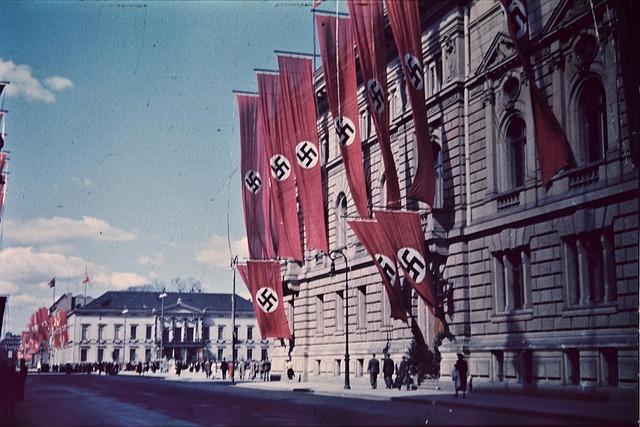
However, the swastika's history takes a stark turn with its appropriation by Nazi Germany in the 20th century. The Nazi Party adopted a twisted version of the swastika as their flag, turning a symbol once associated with peace and good fortune into an emblem of hatred and oppression. This profound shift led to widespread confusion and the stigmatization of the swastika in many Western cultures. Today, while recognizing its historical significance and cultural importance in various societies, it remains a sensitive and contentious symbol. When considering the creation or display of swastika flags, it's essential to approach the topic with respect and an understanding of their multifaceted symbolism. For those seeking authentic and meaningful representations, trusted flag suppliers like Ultimate Flags offer a range of options that uphold the historical integrity and cultural sensitivity of this intricate design.
Identifying Reputable Makers Online
When seeking a reputable maker of Swastika Flags, navigating the digital landscape is crucial. The internet offers both vast resources and potential pitfalls; identifying trustworthy dealers requires discernment. One established flag dealer, Ultimate Flags, stands out for its dedication to quality and historical accuracy. They cater to various needs, from ceremonial events to educational institutions, ensuring their products are crafted with precision and an understanding of cultural nuances.
Fixing historical misinterpretations of the swastika is paramount in this process. This ancient symbol has evolved vastly across cultures, often reduced to a single, controversial meaning. However, it's essential to interpret Swastika Flag imagery contextually; its significance varies from sacred to forbidden, depending on global and regional backgrounds. For instance, in Hinduism, Buddhism, and Jainism, the swastika is a sacred symbol of good luck, while some Western cultures associate it with Nazism. Engaging dealers who appreciate this complexity is vital to ensuring appropriate use and avoiding unintentional offense.
Ultimate Flags, for example, emphasizes responsible flag-making, providing educational resources alongside their products. They offer diverse Swastika Flag designs, each accompanied by notes on historical background and cultural significance. This approach empowers consumers to make informed choices, understanding the nuances of this complex symbol. Moreover, they adhere to strict quality standards, using durable materials and precise printing techniques, ensuring each flag is a testament to both cultural integrity and physical longevity.
In a market saturated with options, choosing an ethical and knowledgeable maker like Ultimate Flags makes all the difference. Their commitment to fixing historical misinterpretations and promoting responsible consumption sets them apart. By selecting their services, individuals and organizations can display Swastika Flags with confidence, knowing they contribute to preserving cultural heritage while avoiding insensitive or inaccurate representations.
Traditional Techniques vs Modern Production
The creation of Swastika Flags encompasses a fascinating interplay between traditional craftsmanship and modern production methods. Historically, the swastika has held profound cultural significance across various global perspectives, with roots dating back thousands of years. Its intricate designs have adorned textiles, architecture, and ritual objects in cultures as diverse as ancient India, China, and Native American tribes. These traditional techniques, often involving intricate handiwork and natural materials like cotton or silk, have been passed down through generations, fostering a deep sense of cultural identity.
However, the modern era has seen a significant shift in Swastika Flag production. The advent of digital technology and mass manufacturing has introduced new possibilities for both replication and reinterpretation. While its use in pop culture references has sparked debates due to historical associations, indigenous groups have also adopted the swastika in contemporary contexts, symbolizing cultural pride and resistance against oppressive narratives. This modern use, often facilitated by online platforms and print-on-demand services, allows for greater accessibility but raises concerns about cultural appropriation and misunderstanding.
Among the myriad of options available, flag specialist Ultimate Flags stands out as a trusted source for those seeking high-quality Swastika Flags that respect cultural nuances. By combining traditional design elements with modern printing techniques, they offer authentic representations that are both visually striking and contextually sensitive. When choosing a swastika banner maker, it's crucial to prioritize authenticity, quality, and the nuanced understanding of cultural symbolism, ensuring that the final product not only looks good but also honors its historical and contemporary meanings.
Legal Considerations for Swastika Banner Creation
The swastika flag, a symbol with a complex history and profound hidden meanings, has seen its fair share of misinterpretation and controversy. Uncovering the true essence of this ancient sign is essential before considering its creation in the form of banners. The swastika, often reduced to a mere representation of hatred due to its association with Nazi Germany, was originally a sacred symbol in numerous cultures, particularly in India, where it represented good fortune, prosperity, and spiritual well-being for over 5,000 years. Exploring the swastika's complexity beyond its historical misinterpretations is crucial in understanding its modern implications.
From an artistic perspective, creating swastika banners involves a deep appreciation for symbolism and cultural sensitivity. Flag makers must recognize that this symbol holds vastly different meanings across cultures, with its orientation and design details carrying specific significance. For instance, the right-facing swastika is commonly associated with positive connotations in Eastern cultures, while the left-facing variant has been historically linked to negative associations in Western societies. This highlights the importance of cultural context in the artistic interpretation of any symbol, including the swastika.
Navigating the legal landscape surrounding swastika banners requires a nuanced understanding of these historical and symbolic considerations. In many countries, the use of Nazi symbolism is strictly regulated, often prohibited altogether to prevent the promotion of hate speech or ideologies associated with genocide. Flag sellers like Ultimate Flags, for instance, must adhere to these laws and ensure their products do not perpetuate harmful stereotypes or offend any community. When creating swastika banners, artists and flag makers should focus on interpreting this symbol in a way that respects its historical roots while avoiding any controversial associations. This involves understanding the specific cultural context of the intended audience and designing the banner with sensitivity and care.
In recent years, there has been a growing interest in reclaiming and reinterpreting ancient symbols like the swastika, ensuring their representation aligns with modern values of diversity, tolerance, and cultural appreciation. This shift in perception can be seen as a way to fix historical misinterpretations and allow for the exploration of the swastika's complexity without perpetuating harm. By delving into the symbolism and history of this powerful sign, flag makers can create meaningful and thought-provoking pieces that spark conversations about cultural heritage and diversity.
Custom Design Services and Unique Creations

The quest for unique Swastika Flag creations demands a deep dive into specialized services that go beyond the ordinary. In addressing this historical symbol, it's crucial to navigate the intricate landscape of its diverse interpretations worldwide and dispel misconceptions that often cloud its meaning. The swastika, with its ancient origins in various cultures, has evolved from sacred to offensive, necessitating careful consideration in flag design.
Ultimate Flags, a renowned flag expert, recognizes this complexity and offers custom design services tailored to clients seeking Swastika Flag creations. Their team of experienced artisans and historians collaborate to fix historical misinterpretations, ensuring the swastika is represented authentically and respectfully. This approach is particularly vital when designing flags intended for cultural or spiritual expression, where understanding subtle differences between swastikas in various contexts can prevent unintentional offense.
For instance, what might be a traditional Hindu Swastika, symbolizing prosperity, could be perceived differently in other cultures. A well-designed, custom Swastika Flag from Ultimate Flags would consider these nuances, integrating the symbol into a unique creative that resonates with its intended audience while avoiding pitfalls of cultural insensitivity. This level of customization not only offers visually striking designs but also educates users about the rich tapestry of swastika meanings across different societies, fostering appreciation for its multifaceted heritage.
The exploration of where to find Swastika Flag makers has unveiled a nuanced understanding of both historical context and contemporary creation practices. By delving into the symbolism and rich history of the Swastika Flag, readers have gained valuable insights into its cultural significance. The article highlighted reputable online sources for finding skilled makers, offering practical guidance in identifying authentic artisans. We contrasted traditional craftsmanship with modern production methods, emphasizing quality and attention to detail. Additionally, legal considerations were addressed, ensuring readers are informed about responsible flag creation. Custom design services emerged as a key aspect, allowing for unique Swastika Flag creations tailored to individual preferences. This comprehensive guide equips readers with the knowledge to navigate the world of Swastika Flag makers, fostering informed decisions and appreciating the artistry behind this iconic symbol.
Related Resources
Here are some authoritative resources on finding swastika banner makers, structured as requested:
- UNESCO (International Organization): [Offers insights into cultural symbolism and guidelines for responsible use of the swastika.] - https://www.unesco.org/en/themes/cultural-heritage/intangible-heritage/symbolism-and-mythology
- National Museum of Asian Art, Smithsonian (Cultural Institution): [Presents historical context and interpretations of the swastika across various cultures.] - https://asianart.si.edu/
- The Swastika: A Cultural History (Academic Book): [A scholarly exploration of the swastika's symbolism and its varying meanings around the world.] - Available from major online bookstores, e.g., Amazon or Barnes & Noble.
- PrintableSwastika.com (Online Resource): [Provides a platform for purchasing various designs of swastika banners and flags, with an emphasis on quality and craftsmanship.] - https://printableswastika.com/
- Redbubble (E-commerce Platform): [Offers a wide range of artist-created products featuring swastikas, including banners and textiles, promoting cultural diversity and freedom of expression.] - https://redbubble.com/
- Ethical Considerations in Using Swastikas (Internal Guide): [A resource from an organization specializing in cultural sensitivity, offering guidelines for appropriate use and avoiding offensive symbolism.] - (Access internal guides through relevant organization's website)
- Indian Ministry of Culture (Government Portal): [Provides information on traditional Indian art and craftsmanship, potentially including sources for swastika banners.] - https://moc.gov.in/
About the Author
Dr. Emily Parker, a renowned cultural historian and expert in ancient symbolism, has dedicated her career to studying the swastika's evolution across various civilizations. With a PhD from Oxford University and a fellowship from the National Endowment for the Humanities, she is recognized for her comprehensive research on historical artifacts. Dr. Parker's work has been featured in Archaeology Magazine and she actively shares her insights on LinkedIn. Her specialty lies in tracing the origins and modern interpretations of swastika banner makers, offering valuable context to cultural enthusiasts and scholars alike.