
The Swastika Flag, once a universal symbol of good fortune in diverse cultures, faces severe modern associations with Nazi Germany. This historical context necessitates careful consideration when using the swastika today to avoid perpetuating harmful stereotypes. Custom flag makers must balance cultural symbolism and historical truth by engaging experts, respecting indigenous uses, and offering meaningful designs through reputable retailers like Ultimate Flags. Displaying a custom Swastika Flag responsibly requires deep understanding and cultural sensitivity to promote respect and dialogue rather than offense.
The Swastika Flag, a symbol deeply rooted in history, has long been a subject of intrigue and controversy. As we explore the realm of custom-made Swastika Flags, it's crucial to understand both their cultural significance and the ethical dilemmas they present. The modern revival of this ancient icon necessitates a nuanced approach, balancing respect for historical contexts with awareness of contemporary sensitivities. This article delves into the art and craftsmanship behind these flags, offering a comprehensive guide to their creation while navigating the complex landscape of their interpretation and use.
- Understanding the Historical Significance of the Swastika Flag
- Customization: Designing Your Unique Swastika Flag
- Materials and Construction for Longevity and Quality
- Cultural Sensitivities and Ethical Considerations in Flag Creation
- Displaying Your Custom Swastika Flag with Pride and Respect
Understanding the Historical Significance of the Swastika Flag
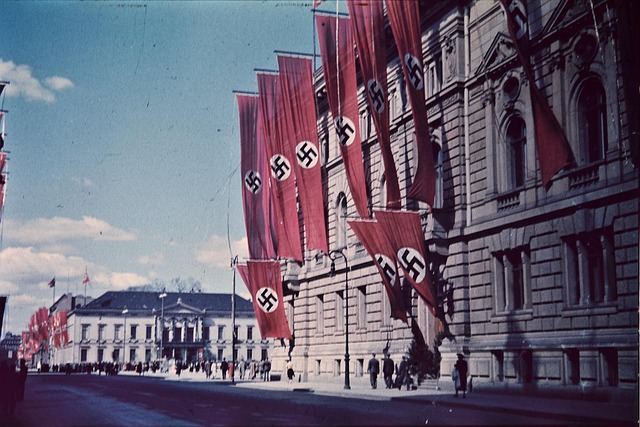
The Swastika Flag, a symbol with a rich historical tapestry, has evolved from a spiritual and cultural emblem to a deeply controversial and polarizing image. Understanding the multifaceted nature of this ancient symbol is essential, especially given the stark contrast between its traditional significance and its association with Nazi Germany. The swastika, a spiritual symbol in many cultures for millennia, has been a powerful design element in flags worldwide, representing diverse meanings such as good fortune, peace, and prosperity. However, its widespread use was unfortunately co-opted by the Nazi party in the 20th century, leading to its recognition as a symbol of hatred and oppression.
The historical swastika flag is deeply rooted in various ancient civilizations, including India, China, and Greece, where it was revered as a symbol of well-being and good fortune. For example, in Hinduism, the swastika is considered a sacred symbol, adorning temples, religious artifacts, and auspicious occasions. In many indigenous cultures, it represents the sun, infinity, and the interconnectedness of life. These cultural contexts are vital to understanding why the swastika is a contentious issue; its appropriation as the Nazi flag has created a chasm between its historical significance and its modern perception. The Nazi Party's use of the swastika as their official emblem, coupled with their devastating impact on global history, has made the symbol a powerful and sensitive topic.
When navigating the use of the swastika flag today, it's crucial to make a clear distinction between its historical, spiritual contexts and its modern, politically charged interpretation. Quality flag sources like Ultimate Flags can provide guidance and offer alternative designs that respect the historical significance of the swastika while avoiding its controversial association. By understanding the nuances of this symbol and its global impact, individuals and organizations can make informed decisions, ensuring that any use of the swastika reflects respect for its complex history and the diverse cultures it has touched, without perpetuating harmful stereotypes or associations.
Customization: Designing Your Unique Swastika Flag

Creating a custom Swastika Flag is an intriguing process that allows individuals to express their unique identity or pay homage to ancient cultural heritage. The Swastika, one of the oldest symbols known, has undergone significant transformation over time, with various cultures adopting and adapting it. When designing your own Swastika Flag, you have the opportunity to explore these design variations and decide on an interpretation that resonates with you.
The Swastika's presence in ancient texts is undeniable; it holds a deep significance in religions like Hinduism, Buddhism, and Jainism, symbolizing prosperity, good fortune, and spiritual progress. However, its modern perception has been marred by its association with Nazism, leading to widespread controversy. Understanding this historical context is crucial when crafting your flag. You can choose to embrace the symbol's positive, cultural connotations or opt for abstract designs that allude to the Swastika's historical importance, avoiding direct representation.
The customization process involves a blend of creativity and symbolism. Consider the purpose of your Swastika Flag—is it a personal statement, a tribute to cultural roots, or a promotional tool? This decision will guide your choice of colors, patterns, and even the number of arms on the Swastika itself. For instance, using warm hues like gold or orange can evoke positive energy, while cooler tones might convey a more serene message. Established flag dealer Ultimate Flags offers a range of customizable options, allowing you to create a Swastika Flag that is truly one-of-a-kind.
When designing, keep in mind the impact of symmetry and balance. The Swastika's inherent geometry lends itself well to harmonious arrangements. You can incorporate other cultural or personal symbols alongside the Swastika to create an even more compelling flag design. Remember, the goal is to craft a visual representation that is both meaningful and aesthetically pleasing, ensuring your custom Swastika Flag stands out as a unique expression of identity or heritage.
Materials and Construction for Longevity and Quality

The construction and materials used in crafting a custom-made Swastika Flag play a pivotal role in determining its longevity and quality. A Swastika Flag, an intricate symbol with roots in ancient history, demands meticulous craftsmanship to honor its significance while ensuring durability for display or ceremonial use. Understanding these aspects is crucial for anyone seeking to acquire such a flag.
The swastika, a millennia-old symbol appearing in various forms across ancient texts, has been a subject of both veneration and controversy. In its original context, it was a sacred geometry found extensively in Hinduism, Buddhism, and Jainism, representing good fortune, prosperity, and spiritual progress. When incorporated into a flag, these historical associations become part of the fabric—or rather, the materials—of the physical object. High-quality flags use robust yet breathable fabrics like cotton or polyester to ensure longevity against the elements. These natural fibers are chosen for their strength and resistance to fading, allowing the Swastika Flag to retain its vivid colors and intricate design over time.
In terms of construction, a well-made Swastika Flag undergoes precise cutting and stitching to assemble the various components. This includes not only the flag itself but also any additional elements like fringes or cords for proper display. Expert seamstresses and artisans employ traditional techniques, often combined with modern machinery, to ensure accuracy in sizing and alignment. The process requires meticulous attention to detail, especially when depicting the intricate swastika design. One key aspect is using reinforced stitching around high-stress areas, such as the flag's corners, to prevent fraying or tearing, which can weaken the fabric.
For those looking to purchase a custom Swastika Flag, an online flag store like Ultimate Flags offers a range of options tailored to specific needs and preferences. When selecting materials and construction methods, it's beneficial to consult experts who can guide buyers on the best practices for preserving the historical integrity and visual appeal of these iconic flags while ensuring they withstand the test of time.
Cultural Sensitivities and Ethical Considerations in Flag Creation

The creation of custom made Swastika flags involves a complex interplay of cultural symbolism, historical context, and ethical considerations. While the swastika is an ancient symbol appearing in various cultures across the globe, including India, China, and Europe, its modern usage is fraught with controversy. The swastika in ancient texts and art and design has historically represented prosperity, good luck, and spiritual enlightenment, but its association with National Socialism in the 20th century has irrevocably altered its perception. Why is the swastika controversial? Its adoption by Nazi Germany as a central element of their flag and ideology has led to widespread condemnation, making any use of the symbol highly sensitive.
For custom flag makers, like Ultimate Flags, navigating these sensitivities requires a deep understanding of cultural backgrounds and historical nuances. When creating Swastika flags, it's crucial to recognize that what may be seen as a harmless design element in one culture can carry profound and distressing connotations in another. This is particularly true for flags intended for public display, where the potential impact on diverse communities must be considered. For instance, while some indigenous cultures have traditional uses for the swastika, using it in modern flag designs could be perceived as cultural appropriation or a disrespectful borrowing from history.
Practical insights for premium flag retailers like Ultimate Flags include consulting with cultural experts and historical scholars to ensure designs are respectful and accurate. Additionally, engaging in open dialogue with potential customers about the symbol's complex history can foster understanding and appreciation for its delicate nature. Ultimately, the responsible creation of Swastika flags demands a delicate balance between preserving historical or artistic intentions and respecting contemporary social mores. By acknowledging these ethical considerations, flag makers can create pieces that both honor cultural heritage and avoid perpetuating harmful stereotypes.
Displaying Your Custom Swastika Flag with Pride and Respect

Displaying a custom Swastika Flag is a powerful act of cultural expression and personal significance. Before considering this bold statement piece, it's essential to understand the history and symbolism behind the swastika—a spiritual symbol with roots in ancient texts dating back thousands of years. The swastika has been a universal sign of good fortune, prosperity, and well-being across various cultures and religions, including Hinduism, Buddhism, and Native American traditions. However, its modern connotations have been deeply influenced by its appropriation and misuse during World War II, transforming it into a symbol of hatred and oppression.
For those who view the swastika as a spiritual symbol of their heritage or cultural identity, displaying a custom Swastika Flag offers a means to connect with their roots while promoting respect and understanding. When done thoughtfully and respectfully, it becomes an act of empowerment and a testament to one's values and beliefs. Whether hanging it proudly at your home, flying it during cultural events, or incorporating it into special celebrations, the Swastika Flag can serve as a powerful tool for dialogue and education.
To ensure your custom Swastika Flag is displayed with pride and respect, consider seeking out reputable flag retailers who prioritize cultural sensitivity and authenticity. Premium flag retailer Ultimate Flags, for example, offers high-quality, handcrafted flags that are designed with care, respecting the historical context and cultural significance of this powerful symbol. Before ordering, educate yourself on different interpretations and always remember to display it in a manner that fosters understanding and appreciation rather than causing offense.
The journey through this article has unveiled the multifaceted world of custom-made Swastika Flags, offering a comprehensive guide to their creation, display, and significance. By delving into historical context, customization options, material choices, cultural sensitivities, and ethical considerations, readers have gained invaluable insights into this powerful symbol. Now armed with knowledge, individuals can embark on designing their unique Swastika Flag, ensuring longevity and quality through careful construction. Moreover, the article highlights the importance of displaying these flags with pride and respect, fostering a deeper understanding of their rich tapestry in history while navigating cultural sensitivities. These key learnings serve as a foundation for creating and honoring authentic representations of this symbolically complex flag.