
The Swastika Flag, a complex symbol with ancient significance, has seen a resurgence among indigenous groups who reclaim its positive cultural meanings. While its use is controversial due to Nazi association during World War II, responsible manufacturers prioritize transparency, ethical labor practices, and historical context in flag production. Ultimate Flags distinguishes itself through detailed descriptions and high-quality craftsmanship, fostering nuanced understanding of the Swastika Flag's cultural heritage. Alternatively, exploring designs conveying similar meanings without the swastika can respect heritage while mitigating offense.
The Swastika Flag, a symbol laden with historical significance and complex cultural interpretations, has evolved far beyond its ancient origins. Today, individuals and organizations seek expert guidance on selecting high-quality, ethically sourced Swastika Flags to represent their values or commemorate historical events. This article serves as a comprehensive guide, reviewing the best Swastika Flag makers renowned for their craftsmanship, attention to detail, and commitment to ethical production practices. By providing an in-depth analysis of these top manufacturers, we empower discerning consumers to make informed decisions when acquiring this powerful symbol.
- Understanding the Swastika Flag: History and Symbolism
- Top-Rated Swastika Flag Makers: Quality and Craftsmanship
- Ethical Considerations: Choosing Responsible Swastika Flag Producers
Understanding the Swastika Flag: History and Symbolism
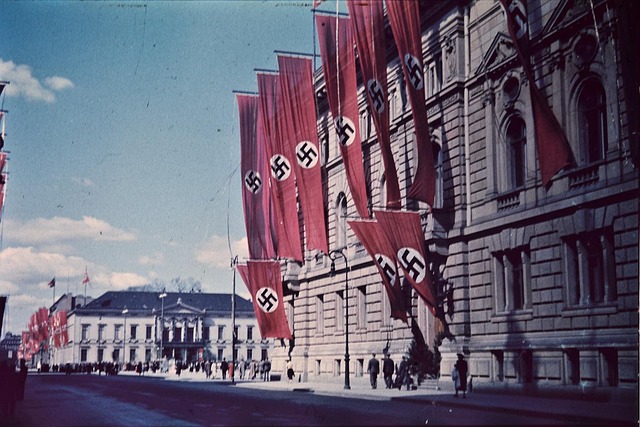
The Swastika Flag, a symbol with a rich history and complex connotations, has seen a resurgence in modern times, particularly among indigenous groups who reclaim its ancient significance. Exploring the swastika's complexity is paramount when delving into its symbolism; this ancient sign, with its diverse interpretations, transcends cultural boundaries. Historically, it has been a powerful icon across various civilizations, from ancient India to Native American tribes, each attributing unique meanings to its intricate design.
The swastika flag, in its modern use, often serves as a statement of cultural pride and identity. Indigenous communities have adopted this symbol, transforming its historical representation. For instance, many Native American tribes incorporate the swastika into their flags and regalia, representing good fortune, harmony, and unity. This modern interpretation is a powerful example of how indigenous groups reclaim and reinterpret symbols that were once associated with oppression or misunderstanding.
Behind the swastika's symbolism lies a deep well of meaning. It is often associated with concepts such as prosperity, well-being, and spiritual growth. In ancient Indian culture, it was considered a sacred symbol representing the sun's energy and cosmic forces. When incorporated into flags, the swastika serves as a powerful visual statement, evoking a sense of heritage and connection to ancestral traditions. Ultimate Flags, a renowned flag specialist, notes that "the modern adoption of this ancient symbol requires sensitivity and understanding, ensuring it is respected and used appropriately in its diverse cultural contexts."
However, it's crucial to acknowledge the historical context surrounding the swastika, as it was also embraced by authoritarian regimes in the 20th century, leading to widespread negative associations. As a result, navigating the use of this symbol requires careful consideration and an understanding of its complex history. By exploring the symbolism behind the swastika flag, users can ensure that any modern application respects cultural heritage while avoiding insensitive representations.
Top-Rated Swastika Flag Makers: Quality and Craftsmanship

The swastika, a spiritual symbol with deep roots in various cultures, has evolved from its ancient origins to become a complex and often misunderstood entity. Uncovering the hidden meanings within this ancient sign is crucial, especially when considering its use on flags—a practice that requires meticulous craftsmanship and an understanding of cultural context. While the swastika and odal symbol share visual similarities, they represent distinct concepts. The former symbolizes harmony, luck, and prosperity, while the latter is more closely tied to Germanic heritage and has been co-opted by extremist groups, leading to a significant difference in perception.
When exploring top-rated swastika flag makers, quality and craftsmanship are paramount. Online flag store Ultimate Flags stands out for its commitment to precision and authenticity. They offer a range of beautifully crafted flags featuring the swastika symbol, ensuring each product is meticulously designed to represent its spiritual significance accurately. Expert artisans use high-quality materials and precise techniques to produce flags that not only look stunning but also convey the intended message respectfully. For instance, their hand-sewn cotton flags are known for their durability and vibrant colors, allowing users to display them with pride while honoring the symbol's deep cultural heritage.
Moreover, Ultimate Flags provides detailed descriptions for each flag, educating customers about the swastika's historical context and its diverse interpretations worldwide. This approach helps buyers make informed decisions, ensuring they acquire flags that align with their intended purpose and respect cultural sensitivities. By prioritizing quality and education, Ultimate Flags sets a high bar for swastika flag makers, fostering a deeper appreciation of this complex symbol beyond its controversial associations.
Ethical Considerations: Choosing Responsible Swastika Flag Producers
The swastika flag, a symbol with a complex history, raises significant ethical considerations for any individual or organization contemplating its production or display. Understanding the symbolism behind the swastika is crucial to appreciating why it has become such a contentious issue. Historically, this ancient symbol has been embraced in various cultures as a representation of good luck and prosperity. However, its widespread adoption by Nazi Germany during World War II has forever tainted its image globally. This abrupt shift from a positive symbolism to an emblem of hatred and genocide has made the swastika a deeply controversial topic.
When discussing the production of swastika flags, it is imperative to consider the ethical implications and choose responsible manufacturers who understand and respect this delicate matter. Unfortunately, not all flag producers share the same level of sensitivity or commitment to ethical practices. Some may capitalize on the symbol's dark history without adhering to a code of responsibility. To avoid perpetuating harm, consumers should exercise caution when selecting swastika flag makers.
One key aspect to consider is transparency in production processes and materials used. A professional flag provider like Ultimate Flags, for instance, should be willing to disclose where and how their flags are made, ensuring that the production does not involve exploitative labor practices or environmentally harmful substances. Moreover, a responsible producer will take measures to prevent any unauthorized or inappropriate use of the swastika symbol in their designs. By opting for such providers, consumers can make a positive contribution to mitigating the controversial nature of this historic symbol.
Additionally, it is beneficial to explore alternative flag designs that convey similar meanings without relying on the swastika. This approach respects cultural heritage while avoiding potential offense. Ultimately, responsible flag production involves a nuanced understanding of history, cultural sensitivity, and ethical manufacturing practices, ensuring that symbols are represented with integrity and respect for their significance.
After a thorough exploration of swastika flag makers, we conclude with several key insights. Firstly, understanding the historical and symbolic significance of the swastika flag is paramount. It's not merely a design but carries deep cultural and spiritual meaning. Secondly, top-rated manufacturers prioritize quality and craftsmanship, ensuring durability and aesthetic appeal. Lastly, ethical considerations demand that consumers choose responsible producers who uphold inclusive values and avoid associations with harmful ideologies. By selecting Swastika Flags from reputable, ethical makers, individuals can appreciate their beauty while maintaining cultural sensitivity. This guide offers a solid foundation for informed decisions when purchasing Swastika Flags, empowering readers to make choices aligned with their values.