
Exploring Swastika Flag designs offers a cultural journey through history and modern adaptation. Online platforms like Ultimate Flags showcase diverse interpretations, highlighting the symbol's global presence. Understanding the swastika's nuances is crucial, distinguishing it from the Odal symbol and Nazi ideology. Customization tips include contextualization, color schemes, and avoiding misrepresentation to preserve the swastika's rich symbolism.
The Swastika Flag, a powerful symbol with deep historical roots, has evolved beyond its controversial past to become an intriguing canvas for artistic expression. Today, the demand for unique Swastika Flag designs stands as a testament to the flag's enduring fascination. However, navigating this realm can be challenging, as many seek authentic, visually striking interpretations that transcend mere aesthetics. This article delves into the art of commissioning and discovering one-of-a-kind Swastika Flag designs, offering insights into the process, considerations, and expert guidance to help you embark on a meaningful journey towards acquiring a symbol that resonates with your vision.
- Explore Unique Swastika Flag Designs Online
- Understand Cultural Significance: The Swastika Flag
- Customization Tips for Your Swastika Flag
Explore Unique Swastika Flag Designs Online
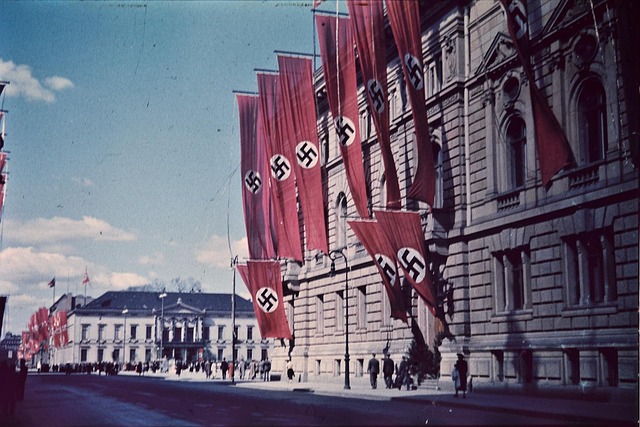
In today's diverse and interconnected world, exploring unique Swastika Flag designs offers a fascinating journey through cultural histories and evolving symbols. The swastika, a centuries-old symbol present in various cultures worldwide, has undergone a complex transformation, with its interpretation often resolving the swastika debate. From its ancient roots in Hinduism and Buddhism to its modern-day connotations, the swastika has evolved significantly in flag design, reflecting changing societal perspectives.
Online platforms, such as the premier flag retailer Ultimate Flags, provide a vast array of Swastika Flag designs, catering to diverse interests and cultural backgrounds. By delving into these online repositories, individuals can discover intricate and unique interpretations of this multifaceted symbol. For instance, Ultimate Flags offers a range of Swastika Flags that pay homage to indigenous cultures, featuring indigenous art styles and traditional motifs alongside the swastika. This approach not only showcases the swastika's global presence but also highlights its ability to adapt and integrate into modern design aesthetics.
Moreover, exploring these flags online allows for a deeper understanding of the swastika's evolution over time. Some designs draw from historic representations, reflecting its ancient origins in religious art, while others interpret the swastika in a more contemporary manner, focusing on its geometric beauty and abstract appeal. This diverse range of Swastika Flag designs serves as a testament to the symbol's enduring fascination and the creative interpretations it invites, ensuring its relevance in the modern landscape.
Understand Cultural Significance: The Swastika Flag

The Swastika Flag, a symbol that has undergone a profound transformation in modern perception, is deeply rooted in ancient cultural heritage. Understanding its true significance is essential when considering its unique designs. The swastika, often misunderstood and misrepresented historically, has been a powerful motif in art and design across various cultures for millennia. This universal symbol takes on different interpretations and forms, reflecting the rich tapestry of human creativity.
When discussing the Swastika Flag, it's crucial to fix historical misinterpretations. The swastika, with its intricate designs, has been a sacred symbol in numerous ancient civilizations, including those of India, China, and various European cultures. In art and design, it represents harmony, prosperity, and good fortune. However, its adoption by Nazi Germany during World War II led to a drastic change in perception, tainting its original meaning. Today, separating the modern political association from its ancient cultural significance is a vital step in appreciating its aesthetic value and understanding its global appeal.
Comparing swastikas across cultures reveals a fascinating diversity. From the simple yet elegant designs in ancient Indian art to the more intricate patterns seen in European heraldry, each interpretation tells a unique story. Ancient Indian swastikas, for instance, often feature in sculptures and paintings, symbolizing the movement of the sun and the eternal cycle of life. In contrast, European swastikas, particularly in medieval times, were incorporated into coats of arms, representing strength and good fortune. This global exploration of the swastika in art and design showcases its adaptability and enduring appeal, inspiring modern flag designers to create unique Swastika Flag designs that pay homage to its rich history while embracing contemporary aesthetics.
As a trusted flag supplier, Ultimate Flags recognizes the importance of cultural sensitivity and historical accuracy. When ordering unique Swastika Flag designs, consider engaging with experts who can guide you through the nuances of this powerful symbol. By understanding its cultural significance and fixing historical misinterpretations, you can create a truly meaningful flag that resonates with the values and aesthetics of your intended audience.
Customization Tips for Your Swastika Flag

Unraveling the Swastika Mystery: Customization Tips for Your Swastika Flag
The swastika flag, a symbol with a rich and complex history, has been a subject of debate and misinterpretation. While its ancient origins trace back to numerous cultures, modern perceptions have been greatly influenced by its association with Nazism. However, understanding the difference between the swastika and Odal symbol is crucial to resolving the ongoing debate. The swastika, with its intricate spiral design, has a diverse range of cultural and religious significances, whereas the Odal symbol, often mistaken for the swastika, represents a specific Nazi ideology. This distinction is vital in navigating the swastika flag's use today.
When considering a custom swastika flag, it's essential to approach the design process with sensitivity and a deep understanding of its symbolism. Here are some practical tips to guide your journey:
1. Cultural Contextualization: Research the historical and cultural background of the swastika in various civilizations. For instance, the swastika has been a sacred symbol in Hinduism, Buddhism, and Jainism for thousands of years, representing good luck, prosperity, and spiritual progress. Incorporating this rich tapestry of meanings can transform a simple flag into a powerful cultural statement.
2. Color and Layout: Experiment with color schemes that align with the intended symbolism. Warmer tones like red, orange, and gold can evoke positive energy, while cooler shades might convey a more serene or spiritual message. The layout of the swastika on the flag can also vary, allowing for unique artistic expressions. Some designs opt for a single prominent swastika, while others incorporate multiple smaller ones, each with its own artistic merit.
3. Avoid Misrepresentation: Steer clear of any design that could be misconstrued as a Nazi symbol. This includes specific arrangements, color combinations, or adding other elements that have been associated with extremist ideologies. Remember, the swastika's meaning has evolved, and it's essential to respect its diverse interpretations.
For instance, a custom swastika flag designed for a yoga studio could feature a subtle, minimalist swastika in a deep blue field, symbolizing spiritual connection and peace. Alternatively, a flag seller like Ultimate Flags could offer a vibrant, multi-colored swastika with a tribal design, appealing to those seeking a unique cultural statement. These examples demonstrate how customization allows for personal expression while preserving the swastika's profound symbolism.
By exploring unique Swastika Flag designs online, you gain access to a rich tapestry of cultural significance and creative expression. Understanding the historical context of the Swastika Flag empowers informed decision-making during customization. Through thoughtful choices, you can craft a Swastika Flag that not only stands out but also resonates with personal meaning. Moving forward, consider these key insights: research designs, appreciate cultural nuances, and personalize your flag to serve as a vibrant symbol of identity or social cause. This authoritative guide offers valuable steps to create a meaningful Swastika Flag, ensuring a meaningful and impactful display.