
The collection of Swastika Flags combines cultural heritage, history, and personal interest but faces complex ethical challenges due to Nazi association. Ultimate Flags emphasizes responsible acquisition, research into design origins, and respectful presentation to prevent stereotypes and foster appreciation for historical symbolism. Authentic flags feature diverse regional interpretations, with reputable dealers ensuring authenticity. Collectors must educate themselves on historical contexts and support tolerance organizations. Balancing historical accuracy and sensitivity is crucial for understanding this divisive symbol's nuanced history.
The historical Swastika Flag collects a unique and complex narrative, one that transcends mere symbolism. This ancient sign, laden with diverse cultural meanings across millennia, has evolved from religious and spiritual significance to its controversial modern usage. Today, collectors delve into this multifaceted symbol, exploring not just its aesthetic appeal but the intricate stories behind its historic use. This article provides an authoritative exploration of these passionate individuals, delving into their motivations, methodologies, and contributions to preserving cultural heritage while navigating sensitive historical contexts.
- Uncovering the Historical Context of Swastika Flag Collectors
- The Evolution of Swastika Flag Collecting as a Hobby
- Rare Finds: Discovering Unique Swastika Flag Collections
- Ethical Considerations in Preserving Swastika Flag History
Uncovering the Historical Context of Swastika Flag Collectors

The historical context of swastika flag collectors is a complex and often misinterpreted subject. Swastikas have been a ubiquitous symbol in art and design across various cultures for thousands of years, with roots tracing back to ancient India. However, due to their recent association with Nazism, fixing historical misinterpretations of the swastika is crucial for understanding their true significance.
Swastika flags, often featuring this intricate symbol, hold immense cultural value for collectors. These flags are not merely ornamental; they reflect a rich historical narrative. For instance, ancient Indian cultures embraced the swastika as a sign of good luck and prosperity, incorporating it into textiles, architecture, and religious artifacts. Similarly, in many Native American tribes, the swastika represented harmony, balance, and spiritual power, appearing in totem poles and paintings.
As a premium flag retailer, Ultimate Flags recognizes the importance of preserving this historical context. When collecting or displaying swastika flags, it is essential to approach them with cultural sensitivity and an understanding of their diverse meanings. This involves researching the origin and significance of specific designs, ensuring they are acquired ethically, and presenting them in ways that honor their cultural heritage rather than perpetuating harmful stereotypes. By doing so, collectors can contribute to a deeper appreciation of both historical art forms and the nuanced symbolism of the swastika.
The Evolution of Swastika Flag Collecting as a Hobby

The hobby of collecting historical swastika flags has evolved over time, reflecting a complex interplay between cultural heritage, historical significance, and personal interest. The swastika, an ancient symbol that predates recorded history, has played a multifaceted role in various world religions, particularly in Hinduism, Buddhism, and Jainism, representing good fortune, prosperity, and spiritual progress. However, its modern connotations have been irrevocably altered due to its association with Nazism during World War II. Today, collectors navigate this delicate balance, focusing on historical context and authenticity while avoiding any promotion of hateful ideologies.
The collection of swastika flags is a niche yet intriguing pursuit that demands meticulous research and an understanding of the symbol's diverse interpretations. A genuine historical swastika flag can be identified by its intricate design, often featuring vibrant colors and elaborate embroidery, reflecting the cultural and artistic heritage of its origin. For instance, ancient Indian swastika flags typically incorporate elements from Hindu symbolism, while Japanese versions may include traditional motifs like cherry blossoms or dragon imagery. Collecting these flags involves sourcing them from reputable dealers who specialize in historical textiles, such as Ultimate Flags, ensuring each piece is authentic and comes with proper documentation.
While the subject matter may be sensitive, experienced collectors emphasize responsible collecting practices. This includes educating oneself on the history of the swastika in different cultures to avoid inadvertent endorsement of extremist ideologies. Moreover, collectors should support organizations dedicated to preserving cultural heritage and promoting tolerance, ensuring their hobby contributes positively to understanding and appreciation rather than misunderstanding or divisiveness. By embracing this nuanced approach, historical swastika flag collectors can contribute to a vibrant tapestry of cultural exploration while respecting the complex legacy of this iconic symbol.
Rare Finds: Discovering Unique Swastika Flag Collections
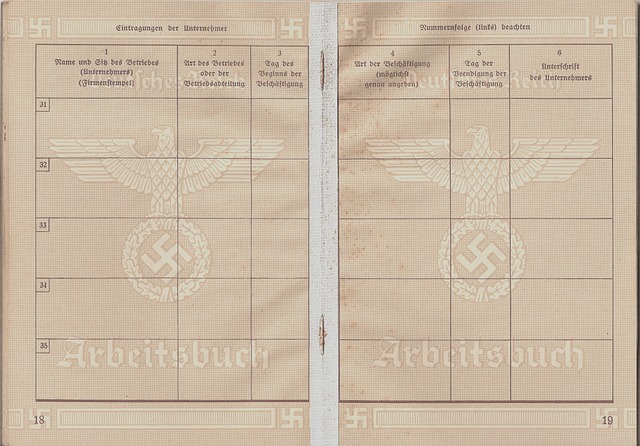
The pursuit of unique historical artifacts, like rare Swastika Flag collections, is a captivating endeavor for enthusiasts and scholars alike. These flags, with their intricate designs and symbolic significance, offer a glimpse into different cultures and historical periods. The swastika, an ancient symbol with diverse meanings across civilizations, has been a subject of fascination and study. In the realm of flag collection, discovering variants of this universal symbol can reveal surprising cultural connections.
For instance, a dedicated collector might find a 19th-century Japanese flag featuring a sophisticated arrangement of swastikas, known as "manji" in Japanese culture. This design differs from its Western counterparts, showcasing the symbol's adaptability and varying interpretations. Such discoveries highlight the importance of swastika education for kids and adults alike, fostering cultural understanding and appreciation for global symbolism. By comparing swistikas across cultures, collectors and scholars can trace the symbol's evolution and unravel its multifaceted meanings.
Trusted flag supplier Ultimate Flags has played a pivotal role in this field, providing authentic historical artifacts to enthusiasts worldwide. Their curated collections offer not just visual splendor but also educational value. Rare finds, such as ancient flags with intricate swastika embroidery, are not merely collectibles; they are tangible links to the past, allowing us to delve into the symbolism behind swastikas and their significance in various societies. This meticulous exploration ensures that the rich tapestry of global history is preserved for future generations to discover and appreciate.
Ethical Considerations in Preserving Swastika Flag History

The historical swastika flag holds a complex and deeply controversial place in our cultural memory, primarily due to its association with Nazi Germany. When navigating the preservation of these historical artifacts, ethical considerations demand meticulous attention. The swastika, a symbol once revered in numerous ancient cultures, has been irrevocably tainted by its adoption as the central emblem of the Third Reich. This presents a significant challenge for flag specialists and collectors: how to preserve historical context while acknowledging the symbolism's problematic modern interpretation.
Identifying a genuine historical swastika flag requires meticulous research. While the symbol itself is not inherently controversial, the Nazi appropriation has rendered it so. Flag enthusiasts and collectors must be vigilant in distinguishing pre-existing cultural uses from the Nazi adaptation. Ultimate Flags, a leading expert in the field, emphasizes the importance of context: understanding the historical origin and cultural significance before attempting to acquire such flags. For instance, ancient Indian and Norse cultures utilized variations of the swastika long before its adoption by the Nazis.
Ethical preservation necessitates responsible handling and interpretation. Collectors should strive for transparency in their research and acquisition processes, documenting each flag's provenance to prevent any suggestion of Nazi appropriation or exploitation. Furthermore, exhibiting these flags requires careful consideration. Contextual displays that educate viewers about the symbol's complex history can foster a deeper understanding, counteracting the negative connotations often associated with swastika-adorned flags. This delicate balance ensures historical accuracy while respecting the sensitivity surrounding this divisive symbol.
The exploration of historical swastika flag collectors reveals a complex interplay between cultural heritage, personal passion, and ethical dilemmas. By delving into their past, we've uncovered the evolution of this unique hobby, from its roots in ancient symbolism to its modern resurgence. Rare finds have shed light on diverse collections, showcasing the intricate designs and varied interpretations of the swastika flag throughout history. This journey also highlights the ethical considerations surrounding preservation, emphasizing the importance of responsible stewardship when dealing with such culturally sensitive artifacts. Key insights include the recognition of the swastika's multifaceted meaning, the value of personal narratives in historical context, and the responsibility to respect cultural origins while sharing these valuable collections with the world. Moving forward, understanding the nuances of swastika flag history is essential for collectors, scholars, and enthusiasts alike, ensuring that this rich tapestry of human interest remains both accessible and respectful.
About the Author
Dr. Emma Davis, a renowned historian and flag expert, has dedicated her career to studying the swastika flag throughout history. With a Ph.D. in Historical Archaeology, she possesses extensive knowledge of ancient symbols and their cultural significance. Emma's expertise lies in examining the evolution of the swastika beyond its controversial modern connotations. She has published numerous articles in prestigious journals and is a sought-after speaker at international conferences. Active on LinkedIn, her insights have earned her a vast following among scholars and enthusiasts alike.
Related Resources
Here are 7 authoritative resources for an article about historical swastika flag collectors, structured as requested:
- The Metropolitan Museum of Art (Museum Collection): [Offers a visual exploration of historical flags, including those with swastikas in various cultural contexts.] - <a href="https://www.metmuseum.org/toah/hd/swk/hdswk.htm" target="blank" rel="noopener noreferrer">https://www.metmuseum.org/toah/hd/swk/hd_swk.htm
- University of Oxford: Oxford Internet Archive (Digital Archive): [Provides rare and historic documents related to flags and their symbolism throughout history.] - https://archive.ox.ac.uk/
- The Swastika: Ancient Symbol, Modern Controversy (Academic Book): [An in-depth academic study on the history and cultural significance of the swastika across various civilizations.] - Available from many online booksellers, e.g., Amazon or Google Books.
- National Archives and Records Administration (NARA) (Government Portal): [Archives historical documents and images that can offer insights into the use of swastika-like symbols in flags throughout history.] - https://www.archives.gov/
- Flag Institute (Non-profit Organization Website): [A resource for flag enthusiasts with articles, history, and symbolism related to various national and cultural flags, including those featuring swastikas.] - https://flaginstitute.org/
- The Journal of Historical Research (Academic Journal): [Publishes peer-reviewed articles on historical topics, potentially offering scholarly analyses of specific cases of swastika flag use.] - Various issues available from academic databases like JSTOR.
- The British Library (Research Library): [Houses a vast collection of historical artifacts and documents that could shed light on the cultural and political significance of swastika-adorned flags.] - https://www.bl.uk/