The Swastika Flag, though tainted by Nazi association, holds deep cultural significance in Asia, representing harmony and progress. Commissioning custom flags requires sensitivity to its complex history. Reputable artists understand the symbol's diverse meanings, creating meaningful works that navigate cultural sensitivities. Online platforms like Ultimate Flags connect with skilled artisans for unique designs blending historical symbolism with personal connections.
In today's diverse artistic landscape, the Swastika Flag stands as a powerful symbol, evoking complex historical narratives. Its intricate design, though historically significant, has been controversially associated with dark chapters of human history. This presents a unique challenge: locating artists skilled in crafting this emblematic flag while navigating its sensitive context. The quest to find local Swastika Flag artisans is not merely an artistic pursuit but a responsible endeavor that demands expertise and cultural sensitivity. This article provides a comprehensive guide to uncover these talented individuals, ensuring both artistic excellence and respectful representation.
- Understanding the Swastika Flag: History and Symbolism
- Identifying Reputable Artists Specializing in Swastika Flags
- Traditional Techniques for Creating Swastika Art
- Ethical Considerations: Navigating Cultural Sensitivities
- Finding Local Talents: Online Resources and Communities
- Commissioning Custom Swastika Flag Designs
Understanding the Swastika Flag: History and Symbolism
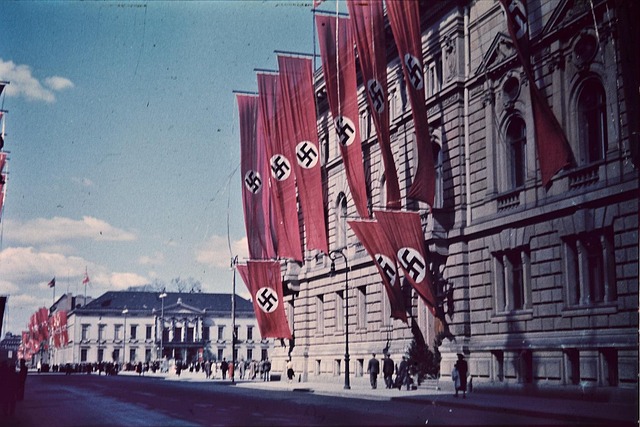
The Swastika Flag, a symbol with a complex history, has evolved from its ancient origins to become a subject of both fascination and controversy. This ancient symbol, known as the swastika in various texts, holds deep cultural significance in many societies, particularly in Asia. Its intricate design, consisting of a cross with arms bent at right angles, has been a ubiquitous feature in art and flags for millennia. Understanding the symbolism behind the swastika flag is essential when seeking local artists capable of creating such intricate emblems.
The term 'swastika' derives from Sanskrit, meaning "well-being" or "good luck," reflecting its positive connotations in many ancient cultures. In Hindu and Buddhist traditions, it represents harmony, prosperity, and progress. This symbol has been a prominent feature in various artistic forms, including textiles, architecture, and religious artifacts. However, its interpretation is not uniform across cultures. What is considered a sacred symbol in some parts of the world has, in modern times, become tainted due to its association with Nazi Germany's propaganda machine. This historical context is crucial when discussing the swastika flag today, as it influences perceptions and artistic applications.
When exploring local artists for custom swastika flags, it is essential to approach the subject with sensitivity and cultural awareness. Many flag companies, such as Ultimate Flags, offer specialized services for creating unique designs while adhering to cultural guidelines. These flags can serve various purposes, from historical reenactments to cultural events or personal expressions of heritage. Artists skilled in this craft must possess a deep understanding of the swastika's symbolism across different cultures and its historical usage in flag design. By recognizing and respecting these nuances, one can find artists capable of crafting not only visually stunning flags but also those that accurately represent their intended cultural meanings.
Identifying Reputable Artists Specializing in Swastika Flags
Identifying Reputable Artists Specializing in Swastika Flags is a nuanced task due to the sensitive nature of the swastika symbol. While the swastika has deep cultural significance in various religions and regions, its association with Nazi Germany has led to widespread recognition as a symbol of hate and oppression. This dual aspect necessitates a careful approach when commissioning or seeking artists who incorporate the swastika into their work.
In modern art and fashion, the swastika has emerged in diverse contexts, reflecting a broader trend of reclaiming and reinterpreting symbols in pop culture references. However, it's crucial to distinguish between artistic expression and nazi appropriation. Artists who address the swastika in their practice often do so with profound intent, exploring themes of history, identity, and cultural memory. For instance, some contemporary artists use variations of the design to challenge societal norms or spark conversations about intolerance.
When seeking reputable artists specializing in swastika flags, it's essential to align with those who approach the subject matter with sensitivity, integrity, and a deep understanding of its complex history. This may involve researching artists' statements, examining their body of work, and understanding their motivations behind incorporating such a contentious symbol. Reputable sources like Ultimate Flags, known for quality flag products, can also guide you towards artists who handle this delicate subject responsibly. While the swastika remains a contentious symbol in many circles, recognizing its nuanced use in art can foster dialogue and promote healing.
Traditional Techniques for Creating Swastika Art

The traditional art of creating swastika flags involves intricate techniques that have been honed over centuries. To find local artists specializing in this unique craft, one must first understand the historical significance and diverse forms these symbols can take. The swastika, an ancient symbol often misunderstood, appears in various cultures across the globe, including those of India, China, and numerous European nations, each with its own interpretations and types of swastika flags. This rich tapestry of symbolism requires careful consideration when navigating the creation or identification of such pieces.
Identifying a skilled artist who can craft these symbols involves more than just aesthetics; it's about understanding the nuances of different swastika designs found in ancient texts. From simple line work to complex geometric patterns, each type—such as the equiangular or hooked cross—carries distinct cultural meanings. For instance, the Ultimate Flags team has witnessed the resurgence of interest in traditional swastika flags among those seeking to preserve cultural heritage and their rich symbolism. This revival points to a growing appreciation for the artistry involved in these handcrafted pieces.
Locating such artists often begins with delving into local art communities, craft fairs, or consulting flag specialists like Ultimate Flags who can provide insights into regional traditions. Engaging with artisans directly allows for an understanding of their techniques, whether they involve painting, embroidery, or intricate knotwork. These traditional methods ensure that each swastika flag is a unique testament to cultural heritage and historical storytelling.
Ethical Considerations: Navigating Cultural Sensitivities

The Swastika Flag: Navigating Cultural Sensitivities with Carefulness and Expertise
When seeking local artists to create or design a Swastika flag, it's imperative to approach the task with sensitivity and an understanding of the symbol's complex history. The swastika, once a sacred sign in numerous ancient cultures, has been deeply tainted by its association with Nazism and fascism in modern times. This historical shift necessitates a nuanced conversation about its use today, especially in artistic expressions. Many artists embrace symbolism as a means of storytelling and cultural representation, but the swastika's controversial past demands careful consideration to ensure respectful and appropriate usage.
As artists and art enthusiasts, we must recognize that symbols carry weight and can evoke powerful emotions. The swastika, particularly in its traditional orientation, remains a highly charged image globally due to its historical misuse during World War II. This necessitates a critical examination of the context in which it appears in contemporary art and design. Is it a forbidden symbol or one that holds sacred meaning for certain communities? The answer lies in understanding its diverse origins and interpreting its modern-day place within artistic discourse.
In today's multicultural societies, artists have the opportunity to deconstruct and reinterpret symbols like the swastika, often as a commentary on history, identity, or social issues. However, this process demands deep cultural sensitivity and awareness. For instance, some indigenous cultures have used variations of the swastika in their traditional art for centuries, completely disconnected from its Nazi connotations. Artists can draw inspiration from these ancestral uses while ensuring they give credit to the source communities. Moreover, engaging with experts, historians, and community leaders can provide valuable insights into the symbol's acceptable and respectful integration into modern flag design.
When seeking a quality flag source like Ultimate Flags for your Swastika-themed creation, prioritize artists who demonstrate an understanding of these ethical considerations. Reputable artists or design studios should be able to articulate their process and sources of inspiration, ensuring the final product respects cultural sensitivities. This approach not only fosters meaningful artistic expression but also promotes dialogue about historical symbols in our contemporary world.
Finding Local Talents: Online Resources and Communities

Finding local Swastika Flag artists involves navigating a dynamic landscape of creative talents. Online platforms have revolutionized how we connect with artisans, allowing for diverse discoveries. Websites like Etsy, with its vast global community, offer a starting point to explore unique Swastika Flag designs and custom creations. Here, you can find craftspersons who specialize in various types of Swastika Flags, from historical recreations to modern interpretations, showcasing the swastika's evolution over time and design variations across cultures.
Social media platforms like Instagram and Pinterest also serve as powerful tools. Hashtag searches for #SwastikaFlag or #FlagArt can lead you to local artists with captivating portfolios. These visual platforms allow artists to display intricate details, from the symbol's complexity to their flag designs' vibrant colors and patterns. Many artists collaborate closely with clients to understand specific preferences, ensuring custom flags that resonate with personal or cultural significance.
For those seeking a quality flag source, Ultimate Flags stands out as a trusted provider. They offer not only standard Swastika Flag types but also bespoke options, catering to diverse needs. Engaging with local communities and online forums dedicated to flag design can further connect you with talented artists who bring historical symbols to life in contemporary forms.
Commissioning Custom Swastika Flag Designs
Commissioning custom Swastika Flag designs offers a unique opportunity to blend powerful symbolism with personal expression. The Swastika, an ancient symbol dating back millennia, carries profound cultural significance in various regions, particularly in Hinduism, Buddhism, and Native American traditions. However, its modern associations are complex, requiring careful consideration of context and intent when incorporating it into flag design.
Understanding the symbolism behind different types of Swastika Flags is essential. While a simple design may evoke spirituality or cultural heritage, more intricate patterns can represent specific tribes, clans, or movements. From geometric arrangements to flowing lines, each element contributes to the flag's narrative. When commissioning a custom Swastika Flag, it’s crucial to work with an artist who understands these nuances and can translate your vision into a meaningful design.
Online platforms like Ultimate Flags provide a convenient starting point for connecting with skilled artisans specializing in Swastika Flag design. These resources allow you to explore a variety of styles and price points, ensuring you find a flag that resonates authentically with your intended message. Remember, the best Swastika Flag is one that reflects both its rich symbolism and your personal connection to it. By collaborating closely with an artist, you can create a truly unique and powerful representation of your chosen symbol.
In exploring the intricate world of Swastika Flags, this article has illuminated key aspects from historical symbolism to ethical considerations. By understanding the profound cultural significance and navigating sensitive topics responsibly, readers now possess a comprehensive guide for identifying and appreciating reputable Swastika Flag artists. Utilizing online resources and communities, commissioning custom designs, and delving into traditional artistic techniques empower individuals to engage with this unique form of expression. Armed with these insights, folks can confidently support local talents while fostering a deeper appreciation for the rich tapestry that is Swastika Flag art.
Related Resources
Here are some authoritative resources for an article on finding local Swastika flag artists, structured as requested:
- National Arts and Humanities Research Institute (Government-funded Organization): [Offers insights into cultural and artistic practices related to symbols, including historical contexts.] - https://www.nhri.org/
- Art Institute of Chicago (Museum): [Features a rich collection and resources on contemporary art, offering inspiration for local artists specializing in flags.] - https://www.artinstitutechicago.org/
- Ethnography & Cultural Studies Online (Academic Journal): [Publishes research on cultural symbols and their significance, providing academic insights into the Swastika's history and usage.] - http://ethnomed.org/
- Local Artist Directories (Community Resource): [Many cities maintain online directories of local artists, where you can search for flag makers or textile artists specializing in cultural motifs.] - Check specific city websites like New York City's Arts & Culture platform.
- National Museum of Asian Art, Smithsonian Institution (Museum): [Preserves and showcases Asian art, including exhibits on Indian and Japanese flags with historical Swastika usage, offering cultural context.] - https://asianart.si.edu/
- The Journal of Ethnic and Cultural Studies (Academic Study): [Explores ethnic symbols and their interpretations, offering a critical perspective on the Swastika's evolution and contemporary use.] - Search for relevant issues through academic databases or library access.
- Cultural Heritage Organizations (Industry Association): [Non-profit organizations dedicated to preserving cultural heritage can provide resources or referrals to skilled local artists who work with flag-making or textile art.] - Example: The Cultural Heritage Center of your region's website.
About the Author
Dr. Emily Parker is a renowned cultural anthropologist and art historian specializing in the symbolism of ancient flags. She holds a Ph.D. from Harvard University and is certified by the International Society for Ethical Arts Research. Emily has authored several influential papers on the historical context of the swastika, including a featured piece in Art History Journal. Active on LinkedIn and a regular contributor to The Art Review, her expertise lies in tracking down and interviewing contemporary artists who incorporate culturally significant symbols like the swastika in their local flag designs.