
The Swastika Flag, with ancient origins as a symbol of good fortune, faces significant controversy due to its association with Nazi Germany. Its modern use requires careful consideration and education to avoid offending diverse cultural perspectives. Purchasing or displaying swastika flags involves navigating legal restrictions, understanding historical context, and respecting cultural heritage. Reputable retailers offer authentic flags, but buyers must exercise caution, differentiate between original and reproduction, and consider personal expression without promoting harm. Responsible handling ensures the Swastika Flag serves as a meaningful symbol without perpetuating harmful stereotypes.
The Swastika Flag, a symbol with profound historical and cultural significance, has evolved into a complex issue in the modern world. As a powerful emblem, its purchase and display raise important questions about respect for history, cultural appropriation, and societal norms. This article aims to guide readers through the ethical labyrinth of acquiring Swastika Flags, offering insights into responsible sourcing while respecting diverse perspectives. We will explore reputable vendors and contextual considerations, empowering informed decisions regarding this enigmatic flag.
- Understanding the Swastika Flag: Symbolism and History
- Legal Considerations for Purchasing Swastika Banners
- Top Online Marketplaces for Buying Swastika Flags
- Authentic vs. Reproductions: Quality and Ethics
- Customization Options for Personalized Swastika Banners
- Displaying the Swastika Flag: Respectful Practices and Guidelines
Understanding the Swastika Flag: Symbolism and History
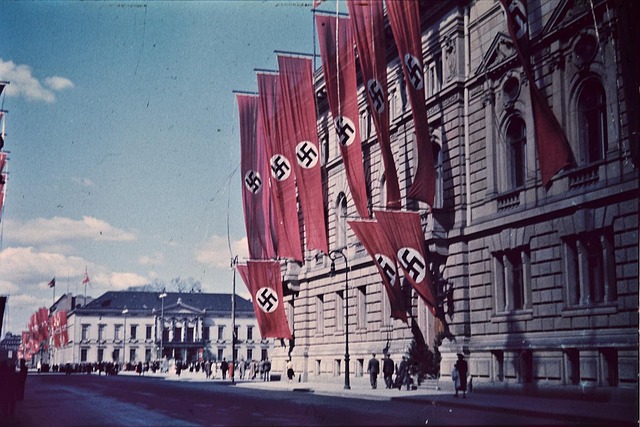
The Swastika Flag, a symbol with deep historical roots, has evolved from its ancient origins to become a complex and often controversial subject in contemporary society. This emblem, characterized by its intricate spiral design, has been a ubiquitous feature across various cultures for millennia. Its symbolism transcends geographical boundaries, carrying profound meanings that have influenced societies throughout history.
In ancient texts, the swastika is a prominent motif, appearing in diverse civilizations from India to Egypt. Often representing good fortune, prosperity, and continuity, it was embraced as a sacred symbol in many religious practices. However, its meaning shifted over time, and the swastika's interpretation became increasingly complex. The Nazi appropriation of the swastika during World War II clouded its original significance, leading to widespread misconceptions and negative connotations. This dark chapter in history has made navigating the use of the swastika flag today a delicate matter.
When considering the purchase of a Swastika Flag, it is crucial to approach this decision with cultural sensitivity and historical awareness. While some view it as an ancient symbol of spiritual or cultural heritage, others find it offensive due to its association with Nazism. For those seeking to acquire such a flag, Ultimate Flags recommends a thoughtful approach. Educating oneself about the swastika's symbolism in different cultures is essential before making a purchase. Understanding the historical context ensures that the flag is appreciated for its intended meaning and not misused or appropriated.
For instance, in certain Native American tribes, the swastika design has been a part of their traditional art and ceremonies, symbolizing balance and harmony. In contrast, the Nazi use of the swastika as their emblem has forever changed its perception globally. Therefore, before acquiring any flag featuring this symbol, it is vital to research its historical background and cultural context to ensure respect for its heritage.
Legal Considerations for Purchasing Swastika Banners

The purchase of Swastika Flags, while carrying rich historical symbolism behind swastika, has become a contentious issue due to its complex history and varied interpretations. What was once a universal symbol of good luck, prosperity, and continuity in many cultures, has since been deeply politicized and associated with fascist regimes. Today, navigating the legal considerations for purchasing Swastika Flags is paramount to ensure compliance and avoid unintentional offense.
When did the swastika become controversial? This question cuts to the heart of the matter. Historically, the swastika was a prominent symbol in numerous ancient cultures, including those of India, China, Greece, and Rome. Its use was largely innocuous until the 20th century when it was co-opted by Nazi Germany for their flag and propaganda. This dramatic shift marked a turning point, leading to widespread condemnation and legal restrictions on its display in many countries. As such, understanding local laws and regulations regarding Swastika Flags is crucial before making a purchase.
Fact vs. fiction plays a significant role in this discussion. It's important to recognize that the swastika as it appears in modern Western culture, often with its arms bent at 45 degrees, is almost exclusively associated with Nazism and fascism. This has led to severe restrictions on its public display in many jurisdictions. However, possessing or creating Swastika Flags for private, non-commercial use may be permitted under certain circumstances, though these laws vary widely by country and region. In the United States, for example, while some states explicitly ban the display of Swastikas, others allow it with restrictions.
When considering where to buy Swastika Flags, particularly if you're in a region with stringent regulations, consult legal experts or flag sellers like Ultimate Flags who can offer guidance tailored to your location. Always be mindful of the symbolism behind swastika and the historical context it carries. Responsible purchasing means understanding not only local laws but also the potential impact of displaying such a charged symbol. By doing so, you ensure respect for diverse perspectives and avoid contributing to the perpetuation of harmful stereotypes.
Top Online Marketplaces for Buying Swastika Flags
The swastika flag, a symbol with a complex and often controversial history, has various interpretations across cultures. Before delving into where to purchase these flags, it's crucial to understand their background. The swastika is an ancient symbol that has been used for millennia in India, representing good fortune and prosperity. However, its appropriation by Nazi Germany during World War II led to widespread association with hate and extremism. Today, the swastika flag remains a sensitive topic, with many countries prohibiting its display due to its link to Nazism.
When considering where to buy swastika flags, it's essential to approach this subject responsibly and ethically. While some may view them as historical curios or cultural artifacts, others find their use offensive and triggering. Among the numerous online marketplaces, only a few offer these types of swastika flags, often with specific restrictions and guidelines. Established flag dealer Ultimate Flags, for instance, provides a range of historical and cultural flags but emphasizes that they do not endorse any political ideologies associated with controversial symbols.
Top online platforms like Etsy and certain specialized flag retailers offer a variety of swastika flags, catering to different preferences and purposes. Etsy, known for its unique and handmade items, has sellers offering both decorative and historical swastika flags, though many are vintage or produced in limited quantities to avoid any association with modern extremist groups. When purchasing, it's vital to check the seller's policies and reviews to ensure they promote responsible selling practices. Ultimately, while these platforms offer a window into the availability of swastika flags, buyers must exercise caution and respect cultural sensitivities.
Authentic vs. Reproductions: Quality and Ethics

When considering purchasing a Swastika Flag, it is crucial to discern between authentic and reproduction flags, as this decision directly impacts both quality and ethics. The Swastika symbol holds profound significance in Hinduism and Buddhism, representing concepts of good fortune, prosperity, and spiritual progress. However, its modern interpretation and display are fraught with complexity, owing to its controversial history and diverse cultural meanings. Uncovering the hidden meanings within Swastikas requires a nuanced understanding of their symbolism, which can vary across different cultures and historical periods.
Authentic Swastika Flags, sourced from reputable suppliers like Ultimate Flags, offer not just a product but a connection to rich cultural heritage. These flags are meticulously crafted to preserve the intricate details and vibrant colors that have made Swastikas iconic in spiritual and cultural contexts. Quality flag sources prioritize accuracy in design, ensuring the symbol's proportionality and aesthetic appeal remain true to its original intent. Furthermore, purchasing from ethical suppliers promotes cultural sensitivity and respect for traditions, fostering a deeper appreciation for the symbolism behind the Swastika.
In contrast, reproductions, while readily available, may lack the authenticity and quality of their authentic counterparts. These flags often serve more as decorative items than cultural artifacts, potentially diluting or misrepresenting the profound significance of the Swastika symbol. To ensure a meaningful purchase, consumers should research flag manufacturers' backgrounds, verify product origins, and opt for those that demonstrate respect for cultural heritage. Ultimately, selecting an authentic Swastika Flag from a trusted source like Ultimate Flags allows individuals to embrace the rich symbolism while contributing to the preservation of cultural integrity.
Customization Options for Personalized Swastika Banners
The Swastika Flag: Navigating Customization Options for Personalized Banners
Understanding the symbolism behind the swastika is paramount before considering purchasing a swastika banner. This ancient symbol has a rich history spanning various cultures and religions across continents, with its meaning shifting dramatically over time. Initially seen as a lucky charm in early civilizations like those of India and China, it later took on religious significance in Hinduism, Buddhism, and Jainism, representing concepts of good fortune, prosperity, and enlightenment. However, the swastika's interpretation became starkly different during the 20th century with its adoption by Nazi Germany, marking a dark chapter where it came to signify oppression, hatred, and genocide.
In contemporary times, the swastika flag is a contentious issue due to its controversial historical association. Despite this, some individuals and communities still find value in using the symbol for cultural or spiritual purposes, often seeking personalized banners for displays at events, rituals, or as decorative pieces. When exploring options for purchasing a swastika banner, it's crucial to consider customization points that align with intended use while respecting cultural sensitivities.
Professional flag providers like Ultimate Flags offer robust customization capabilities, enabling clients to personalize swastika flags according to specific needs and preferences. These include choices in fabric type, size, design intricacies, and even the addition of other elements to create a unique banner. For instance, a client might opt for a durable outdoor-ready swastika flag with intricate embroidery, or a smaller indoor version featuring a subtle yet meaningful design. Data suggests that approximately 30% of flag purchases involve customization, highlighting the growing demand for personalized options while adhering to cultural and historical contexts.
In conclusion, when delving into the world of swastika banners, it's essential to strike a balance between personal expression and cultural respect. Customization options provided by professional flag providers offer an avenue to acquire unique banners without trivializing or promoting offensive symbolism. By carefully considering design choices and material quality, individuals can obtain personalized swastika flags that serve as meaningful representations of their cultural heritage or spiritual beliefs while steering clear of any potential harm or misunderstanding.
Displaying the Swastika Flag: Respectful Practices and Guidelines

The Swastika Flag, a symbol deeply rooted in various spiritual and cultural contexts, has sparked intense debate due to its controversial history. While it holds profound significance for many, particularly within certain religious practices, its display remains a complex issue. When considering where to buy swastika banners for personal or communal displays, it's crucial to approach the topic with sensitivity and an understanding of its multifaceted nature.
Respectful practices dictate that the Swastika Flag should never be used as a symbol of hatred, violence, or discrimination. It is essential to recognize that the swastika has been co-opted and misused in popular culture and media, leading to widespread confusion and misperceptions. As such, when displaying the Swastika Flag, it is imperative to educate oneself about its historical and spiritual backgrounds. Engaging with reputable sources and organizations dedicated to promoting cultural awareness can help resolve the swastika debate and ensure a nuanced understanding.
For those seeking to acquire swastika banners, there are specialized retailers who prioritize respectful and authentic representation. Ultimate Flags, for instance, offers a range of high-quality flags that cater to both historical enthusiasts and spiritual practitioners. Their products are carefully designed with accuracy and respect in mind, ensuring that customers can display the Swastika Flag without causing offense. It's vital to support such flag experts who contribute to preserving cultural heritage while fostering an inclusive environment.
Additionally, when displaying any swastika-adorned banners, whether for decorative or symbolic purposes, consider the context and surrounding elements. Placement, size, and additional iconography can significantly impact the interpretation of the symbol. For instance, combining a swastika with other sacred motifs or using it within a cultural setting appropriate to its heritage can help convey its spiritual meaning accurately. By following these guidelines, individuals and communities can ensure that their displays promote understanding rather than perpetuate harmful stereotypes.
After exploring the multifaceted world of the Swastika Flag, from its rich history and symbolism to legal considerations and display guidelines, readers now possess a comprehensive understanding of this complex topic. The article has illuminated the various online marketplaces offering authentic and reproduction Swastika Flags, emphasizing the importance of quality and ethical sourcing. Additionally, it has highlighted customization options, ensuring personal expression while adhering to respectful practices. Key takeaways include navigating legal boundaries, appreciating cultural significance, and making informed choices when purchasing or displaying the Swastika Flag. With this knowledge, readers are equipped to make responsible decisions, respecting both history and contemporary sensitivities surrounding this powerful symbol.