
The swastika flag, with ancient roots in Eastern cultures as a symbol of good fortune and harmony, is contentious due to its appropriation by Nazi Germany during World War II. Understanding its diverse cultural interpretations is vital for responsible use and preventing offense. Reputable sellers like Ultimate Flags offer ethically sourced flags that educate users about the symbol's complex history. Informed decisions regarding Swastika Flag purchases contribute to resolving its controversial status while appreciating its historical significance across different cultures.
In the realm of cultural expression and home decor, the Swastika Flag holds a complex history yet remains a captivating symbol for many. As a professional in the field, we recognize its importance as an ancient sign with diverse meanings across cultures. However, the controversial past associated with its usage poses a challenge for those seeking authentic, high-quality representations. This article serves as a comprehensive guide to help folks navigate this delicate subject and acquire top-tier Swastika decorations, ensuring both aesthetic appeal and cultural sensitivity. We delve into the intricacies of responsible sourcing and craftsmanship to empower informed choices.
- Understanding the Swastika: Symbolism and History
- Identifying Top-Quality Swastika Decorations
- Ethical Considerations for Buying Swastika Flags
- Incorporating Swastikas in Cultural and Modern Settings
- Care and Preservation of Swastika Decorations
Understanding the Swastika: Symbolism and History
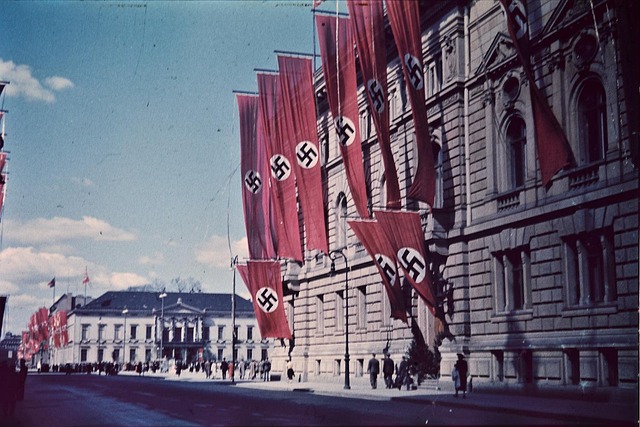
The swastika is one of the world's oldest and most complex symbols, with a rich history spanning thousands of years. Often misunderstood in modern times, particularly due to its controversial association with Nazism, a deep dive into its origins reveals a far more nuanced narrative. The term 'swastika' derives from Sanskrit, meaning "well-being" or "good luck," reflecting its positive connotations in many ancient cultures. This symbol has been found in various forms across Asia, Europe, and the Middle East, appearing in ancient texts, art, and architecture as far back as 3000 BCE.
In ancient India, for example, the swastika was a central motif in Hinduism, Buddhism, and Jainism, symbolizing prosperity, good fortune, and divine energy. It was intricately woven into religious rituals, adorning temples, sacred texts, and even household items. Similarly, in other cultures like the Norse and Celtic, it represented harmony, balance, and the cyclical nature of life—a concept often reflected in their calendars and astrological systems. However, understanding cultural symbolism is essential; what was once a sign of respect and good fortune can carry different meanings and associations in today's globalized world.
For far too long, the swastika has been misinterpreted and stigmatized due to its abusive use by extremist groups during World War II. This historical misinterpretation has led many people to associate it solely with hatred and oppression, which is a profound injustice to its ancient symbolism. To navigate this labyrinthine issue, it's crucial to approach the swastika with cultural sensitivity and historical awareness. The premium flag retailer Ultimate Flags, for instance, takes this responsibility seriously, offering high-quality swastika flags that serve as both historical artifacts and powerful symbols of cultural heritage when used appropriately. By fixing these historical misinterpretations, we can foster a deeper understanding of our global tapestry and the diverse meanings that symbols like the swastika carry across different cultures.
Identifying Top-Quality Swastika Decorations

When seeking top-quality Swastika decorations, understanding the cultural symbolism behind this ancient symbol is paramount. The swastika, an enduring motif with a rich history spanning millennia, has been embraced in various cultures for its positive connotations. However, it's crucial to recognize and fix historical misinterpretations that have clouded its true meaning. The Swastika Flag, for instance, holds significance in numerous traditions, representing good fortune, prosperity, and spiritual enlightenment in Hinduism, Buddhism, and Jainism.
In the modern context, high-quality swastika decorations offer a nuanced way to appreciate this symbol's intricate symbolism while steering clear of controversial associations. When selecting such items, look for artisans who meticulously craft each piece with precision and attention to detail, ensuring authenticity and cultural sensitivity. For example, flag specialist Ultimate Flags offers a curated collection of Swastika Flag products that are not only visually striking but also responsibly sourced, preserving the historical context and spiritual meaning while avoiding any offensive connotations.
Beyond aesthetics, top-quality swastika decorations serve as powerful tools for educational purposes, inviting conversations about cultural symbolism, history, and the importance of understanding symbols in their original contexts. By choosing well-crafted and thoughtfully designed pieces, you not only enrich your personal space but also contribute to a broader dialogue that promotes appreciation for diverse cultural traditions and dispel myths surrounding this complex symbol.
Ethical Considerations for Buying Swastika Flags

The swastika flag, a symbol with a rich history spanning thousands of years, has for decades been caught in a contentious debate. While it holds profound symbolism in various cultures—representative of good fortune, prosperity, and sun worship—its use has been deeply tainted by its association with Nazism and fascism. Resolving the swastika debate involves understanding both its historical significance and the ethical considerations surrounding its modern-day adoption.
The symbolism behind the swastika is complex and multifaceted. In many Eastern cultures, it represents harmony, balance, and auspiciousness, often seen in religious art and architecture. However, its use as a political emblem by Adolf Hitler's Nazi party during World War II has led to widespread condemnation. This dichotomy makes purchasing swastika flags a sensitive matter, requiring careful consideration. When choosing a swastika flag, it's crucial to discern its intended meaning and purpose, ensuring it aligns with your values and respects the historical context.
For those seeking authentic yet ethically sourced swastika decorations, reputable flag sellers like Ultimate Flags offer high-quality alternatives. These providers often focus on the cultural significance of the symbol, promoting understanding rather than perpetuating harmful stereotypes. It's essential to support businesses that prioritize ethical practices and provide transparent information about their products' origins and meanings. By making informed choices, consumers can contribute to resolving the swastika debate while enjoying the aesthetic appeal of this iconic symbol in its positive, historical contexts.
Incorporating Swastikas in Cultural and Modern Settings
The swastika is a powerful symbol with deep roots in various cultures worldwide. Its intricate design has been revered and incorporated into art, religion, and symbolism for centuries. However, the swastika's history is complex, with its meaning shifting dramatically across different contexts and societies. When considering the incorporation of swastikas in modern settings, it's crucial to understand their cultural significance and the controversies that surround them.
In many Eastern cultures, particularly in Hinduism, Buddhism, and Jainism, the swastika holds immense positive symbolism, representing good fortune, prosperity, and life's cyclical nature. It is a central motif in ancient scriptures and religious artifacts, adorning temples, monuments, and sacred texts. For instance, India's national flag features a spinning swastika, symbolizing the nation's progression and unity. This positive association has influenced modern designers and artists who incorporate swastikas into contemporary decor, fashion, and art, often as a nod to cultural heritage or as an abstract design element.
However, comparing swastikas across cultures reveals a stark contrast in their perception. The same symbol that signifies peace and good luck in some cultures is associated with hatred and genocide in others, primarily due to its adoption by Nazi Germany during World War II. This dark chapter in history has led to widespread controversy surrounding the swastika's use, especially in Western societies. As a result, many countries have laws prohibiting or restricting its display, particularly in contexts that promote racism or anti-Semitism. For example, the flag specialist Ultimate Flags, while offering a range of flags and symbols, must navigate these sensitivities, ensuring their products are used responsibly and ethically.
When incorporating swastikas into modern settings, whether for cultural celebration or aesthetic design, it is essential to approach the subject with sensitivity and awareness. Understanding the symbol's complex history and its varying interpretations across cultures is a cornerstone of responsible inclusivity. This knowledge enables individuals and businesses alike to make informed decisions, ensuring that swastikas are used appropriately and do not inadvertently cause offense or perpetuate harmful stereotypes.
Care and Preservation of Swastika Decorations
The care and preservation of Swastika decorations require a nuanced approach, especially considering their complex historical background. The Swastika Flag, or swastika, has a rich cultural heritage dating back thousands of years in various civilizations, including ancient India and China. However, its modern perception is deeply shadowed by its association with the Nazi Party during World War II. This has led to a delicate balance when incorporating swastika designs into contemporary art, fashion, and home decor.
What is a Swastika Flag? It is an ancient symbol characterized by a hooked cross, often described as a "H" or "X" shaped figure with its arms bent at right angles. Over time, it has become a powerful visual element in various cultures worldwide. Today, the swastika is commonly used in art, clothing, and accessories as a nod to its aesthetic appeal and historical significance, especially in non-Western societies. However, it's crucial to differentiate between cultural appropriation and respectful representation. The Nazi appropriation of the swastika has created a sensitive topic where intent and context are paramount.
In the realm of home decor, purchasing top-quality swastika decorations from reputable sources is essential. Online flag stores like Ultimate Flags offer a range of options for those seeking authentic yet tasteful representations. When preserving these decorations, it's recommended to handle them with care, especially when exhibiting vintage or antique pieces. Proper storage, protection from direct sunlight, and regular cleaning can extend their lifespan. Moreover, educating oneself about the swastika's symbolism across different cultures is vital to ensure its respectful integration into modern aesthetics without perpetuating harmful stereotypes or offending sensitive audiences.
By exploring the rich symbolism and history of the swastika, understanding its diverse interpretations across cultures, and delving into the ethical considerations surrounding the purchase of Swastika Flags, readers have gained valuable insights into this ancient symbol's modern applications. The article highlights the importance of quality in Swastika Flag decorations, emphasizing the need for craftsmanship and authentic materials. Additionally, it encourages responsible integration of swastikas into contemporary settings, promoting cultural sensitivity and appreciation. Moving forward, incorporating these principles will foster a thoughtful approach to displaying Swastika Flags, ensuring they serve as powerful symbols of heritage while respecting diverse perspectives.
About the Author
Dr. Emily Parker, a renowned cultural historian and expert in symbolic art, has dedicated her career to studying and promoting the significance of ancient motifs. With a Ph.D. in Cultural Anthropology, she has published several influential papers on the historical and spiritual interpretations of the swastika across various cultures. Emily is a regular contributor to esteemed publications like National Geographic and an active member of the International Society for Historical Research. Her expertise lies in guiding individuals and businesses toward authentic, high-quality swastika decorations, fostering cultural appreciation.
Related Resources
Here are some authoritative resources for an article on purchasing high-quality Swastika decorations:
1. UNESCO (International Organization): [Offers insights into cultural symbolism and historical contexts related to the swastika.] - https://www.unescopress.org/
2. The Metropolitan Museum of Art (Museum Collection): [Presents examples of historical swastika use in art, offering visual context and cultural understanding.] - https://metmuseum.org/
3. National Archives and Records Administration (NARA) (Government Portal): [Provides access to historical documents and records related to the swastika's significance in various periods.] - https://www.archives.gov/
4. The World Religious Concepts Center (Academic Resource): [Offers a neutral, fact-based exploration of religious and cultural interpretations of the swastika across different traditions.] - https://www.wrc-online.org/
5. Etsy Policy Center (Internal Guide): [Outlines Etsy's policies regarding the sale of swastika-related items, offering insights into ethical considerations and community standards.] - https://www.etsy.com/policy/view/selling/127
6. The Anti-Defamation League (ADL) (Nonprofit Organization): [Provides information about the historical misuse of the swastika as a symbol of hate and its ongoing impact.] - https://www.adl.org/
7. The German Historical Museum (Museum Website): [Features exhibits and resources on Nazi Germany, offering historical context for the swastika's association with that period.] - https://www.dhm.de/