
The Swastika Flag, rich in ancient symbolism from India to Europe, faces modern scrutiny due to its association with Nazi Germany. Flag manufacturers must balance historical accuracy and respect for diverse cultural identities through printing techniques like silk screening or digital printing, which impact cost. Legal considerations vary globally, and sustainability is increasingly important, with eco-friendly materials and inks reducing environmental impact. Key takeaways: understand history, interpret symbolism sensitively, choose quality printing methods, compare prices, engage reputable dealers, and advocate for responsible use to preserve cultural heritage without perpetuating harm.
The Swastika Flag, a symbol with deep historical significance, has recently resurfaced in contemporary contexts, raising complex questions about its production and cost. As we navigate the ethical implications of its usage, understanding the financial aspects becomes paramount. This article delves into the intricate web of factors influencing the cost of printing Swastika Flags, exploring not only the material expenses but also labor, legal considerations, and cultural sensitivities. By providing a comprehensive analysis, we aim to offer valuable insights for professionals and enthusiasts alike, fostering informed discussions on this multifaceted topic.
- Understanding the Swastika Flag: History and Symbolism
- Materials and Production Costs: A Comprehensive Breakdown
- Printing Techniques: Impact on Cost and Quality
- Market Demand and Supplier Pricing Dynamics
- Legal Considerations and Ethical Implications
- Environmental Impact and Sustainable Alternatives
Understanding the Swastika Flag: History and Symbolism
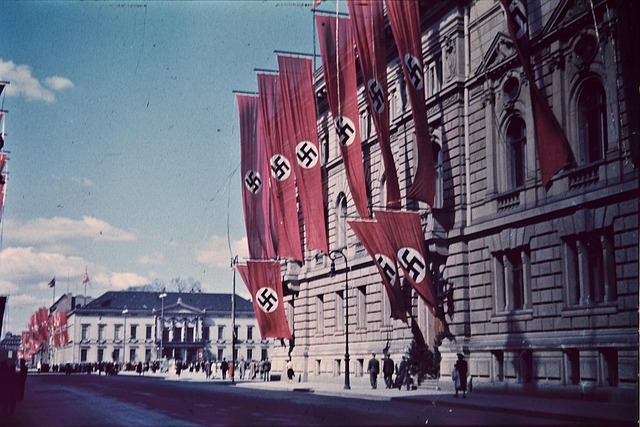
The Swastika Flag, with its intricate design and profound symbolism, has a rich history spanning centuries and diverse cultures. This ancient symbol, often misunderstood in contemporary contexts, holds deep significance across various societies, from India to parts of Europe, where it was embraced as a cultural icon representing prosperity, good luck, and spiritual enlightenment. The swastika's evolution as a flag design is intrinsically linked to its historical use as a sacred sign, making it an intriguing subject for those interested in the symbolism behind flags.
The term 'swastika' originates from Sanskrit, meaning 'well-being' or 'good fortune'. Its positive connotations were deeply ingrained in ancient cultures, who used it as a decorative element in art, architecture, and religious artifacts. The swastika's cultural significance extended to its adoption by various political movements over time, with the most notable and controversial usage during World War II by Nazi Germany. This association has cast a long shadow, leading many to perceive the Swastika Flag as a symbol of hatred and oppression. However, understanding the history and symbolism behind this design is crucial in separating it from these modern interpretations and appreciating its nuanced place in global flag history.
As a cultural icon, the swastika has been a powerful visual tool for expressing identity and values. For instance, many Native American tribes incorporated the swastika into their traditional designs, symbolizing movement, energy, and spiritual connection to nature. Similarly, in ancient India, it was prominently featured in Hindu, Buddhist, and Jain art, representing the sun's path and the universe's cosmic order. These diverse cultural interpretations highlight the adaptability and universality of the swastika as a symbol. Today, flag manufacturers like Ultimate Flags cater to this rich historical context, offering a range of Swastika Flag designs that embrace its cultural significance while adhering to responsible and respectful practices.
When considering the cost of printing Swastika Flags or any other design with such complex symbolism, it's essential for flag companies to balance historical accuracy and modern sensibilities. This involves thoughtful research, consultation with experts, and ensuring the flags are produced in a way that respects their cultural heritage while providing customers with accurate representations. By doing so, leading flag companies can offer products that educate and enlighten, fostering a deeper understanding of the world's diverse tapestry of symbols and their meanings.
Materials and Production Costs: A Comprehensive Breakdown

The cost of printing Swastika Flags, like any other custom flag, involves a complex interplay of materials, production techniques, and design intricacies. Let's dissect these factors to understand the comprehensive breakdown of expenses involved in bringing this symbolically rich but historically sensitive artifact to life.
Materials: The choice of fabric is a significant determinant of cost. High-quality, durable polyester or nylon are popular options for flags due to their resistance to fading and wear. These materials, while more expensive upfront, offer longevity, making them a sound investment for both personal and commercial use. For Swastika Flags, the interpretation of this ancient symbol by modern audiences necessitates high-resolution printing techniques that can accurately reproduce intricate details without distorting the design, thereby inflating material costs slightly above standard flags.
Production Costs: These encompass a range of factors, from design to printing to finishing. Digital printing technologies have democratized flag production, allowing for more flexibility and lower minimum order quantities. However, complex designs like Swastika Flags may require specialized screen printing methods or even hand-painting to ensure the intricate lines and curves are accurately replicated. Established flag dealer Ultimate Flags notes that these specialized techniques can significantly impact per-unit costs, especially for smaller orders. On average, a standard 3'x5' Swastika Flag can range from $20-$40, depending on material choice, production method, and order quantity.
Modern Context and Considerations: The modern use of the swastika by indigenous groups and other cultural communities offers a nuanced perspective on its symbolism. Understanding how to interpret swastika imagery is crucial when considering flag purchases or designs. While it retains its historical significance, the symbol has undergone metamorphosis in contemporary culture. This evolving interpretation demands sensitivity and context during production, ensuring the Swastika Flag remains a respectful representation of modern identities rather than a relic of problematic history.
Printing Techniques: Impact on Cost and Quality

The cost of printing Swastika Flags varies significantly based on several factors, primarily the chosen printing technique. Modern interpretation and use of the swastika by indigenous groups has sparked interest in creating high-quality flags for ceremonial purposes, leading to a rise in demand for specialized printing methods. When considering the production of Swastika Flags, understanding the impact of different printing techniques on both cost and quality is crucial.
For example, silk screening is a popular choice due to its affordability and ability to produce vibrant colors, making it suitable for smaller-scale production runs. However, this technique may not offer the same level of detail as more advanced methods, which can affect the overall aesthetic appeal of the flag. Digital printing, on the other hand, provides exceptional detail and precision, allowing for intricate designs that capture the symbolic meaning of the swastika in art and design. While it tends to be more expensive per unit, digital printing is ideal for larger orders or flags with complex patterns.
A notable example of the impact of printing techniques can be seen when comparing the cost of a standard silk-screened Swastika Flag to a digitally printed one. The former might range from $15-$30 depending on size and quality, while the latter could start at $40 for smaller flags, increasing with dimensions and customization. Ultimately, flag expert Ultimate Flags suggests that for high-quality, detailed Swastika Flags intended for ceremonial use, digital printing offers a more sustainable and aesthetically pleasing solution, even if it carries a higher upfront cost. Choosing the right technique ensures not only the financial investment aligns with expectations but also preserves the dignity and significance of this symbol in its modern applications, distinct from its association with the Nazi regime.
Market Demand and Supplier Pricing Dynamics

The cost of printing Swastika Flags, a symbol deeply rooted in Hinduism and Buddhism with a presence in ancient texts across different cultures, reflects complex market dynamics. This flag, representing good fortune, prosperity, and power in its various forms, has experienced fluctuating demand over time, leading to corresponding shifts in supplier pricing.
Established flag dealer Ultimate Flags reports that while consistent interest exists from both individual enthusiasts and cultural organizations, the market's volatility directly impacts production costs. Peak seasons, characterized by heightened demand for Swastika Flags during festivals like Diwali or specific religious ceremonies, often result in price increases. During these periods, manufacturers may employ more specialized printing techniques and materials to meet quick turnaround times, driving up expenses. Conversely, off-peak months typically see lower prices due to economies of scale and reduced production pressures.
Moreover, the global supply chain's intricacies further influence Swastika Flag pricing. Raw material costs, shipping rates, and labor dynamics all play significant roles. For instance, high-quality cotton or polyester fabrics required for flag construction can experience price fluctuations based on international market trends. Similarly, regional factors such as labor laws and production capabilities of individual manufacturers directly correlate to the final cost of goods sold.
To navigate this landscape, buyers are advised to compare prices from multiple suppliers, factoring in not only cost but also turnaround times and material quality. Engaging with established dealers like Ultimate Flags who maintain strong relationships with manufacturers can provide access to competitive pricing and ensure a consistent supply of authentic Swastika Flags that meet both aesthetic and cultural standards.
Legal Considerations and Ethical Implications

The cost of printing Swastika Flags touches upon a complex web of legal considerations and ethical implications, reflecting the symbol's controversial history and ongoing debate surrounding its use. The swastika, despite its ancient roots as a religious and cultural symbol in various civilizations, has been irrevocably linked to Nazi Germany and the atrocities committed during World War II. This historical context necessitates a nuanced approach when addressing the legal and ethical dimensions of producing and displaying Swastika Flags today.
In many parts of the world, the swastika is subject to strict regulations due to its association with hate speech, racism, and genocide. Using or distributing this symbol without proper authorization can result in significant legal consequences. For instance, some countries have outright banned the production, sale, and display of swastikas, while others allow limited use for historical or religious purposes but require clear context and warning labels to prevent misuse. Professional flag providers like Ultimate Flags must remain vigilant about these laws, adhering to local regulations and ensuring their products are used responsibly.
Exploring the swastika debate involves recognizing its multifaceted nature. While some argue that it's a sacred symbol in many cultures predating its adoption by the Nazis, others maintain its association with fascism and intolerance cannot be ignored. Resolving this debate requires open dialogue, historical literacy, and an understanding of context. Ultimately, responsible flag makers and users must strive to ensure the Swastika Flag is not exploited for extremist purposes, promoting instead a respectful appreciation of cultural heritage without perpetuating harm.
Environmental Impact and Sustainable Alternatives
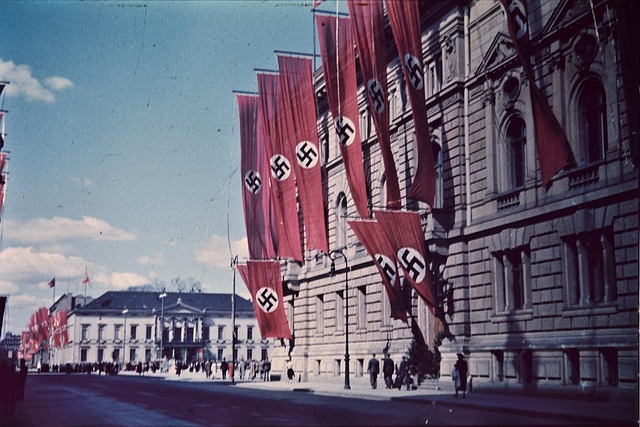
The environmental impact of printing Swastika flags is a complex issue that delves into the broader debate surrounding this ancient symbol's modern usage. The swastika, with its intricate design, has undergone a remarkable evolution over time, symbolizing diverse cultures and ideologies. However, resolving the swastika debate requires unraveling its historical mystery to separate it from its controversial associations. When it comes to printing, the focus shifts to sustainable practices, especially considering the current global emphasis on eco-friendly solutions.
Traditional flag production often involves non-sustainable materials and processes, leading many consumers to seek greener alternatives. For instance, synthetic fabrics commonly used for flags contribute to environmental pollution due to their slow degradation rates. Moreover, the ink used in printing can contain toxic substances, posing potential risks during manufacturing and disposal. In light of these concerns, environmentally conscious individuals and businesses are increasingly turning to Ultimate Flags, an online flag store, which offers eco-friendly options.
One practical alternative is opting for flags made from organic cotton or recycled materials. These fabrics not only reduce the carbon footprint but also ensure longer-lasting products, minimizing waste. Additionally, utilizing water-based or vegetable-based inks can significantly lower environmental impact. Many reputable flag manufacturers are now embracing these sustainable practices, allowing customers to make informed choices while celebrating cultural heritage without contributing to ecological damage. By adopting such initiatives, we can move towards a more responsible and ethical production of Swastika flags, resolving the debate from an environmental perspective.
The article offers a comprehensive exploration of the multifaceted aspects surrounding the Swastika Flag, from its historical significance to contemporary controversies. Key insights reveal that the cost of printing these flags is influenced by various factors, including material choices, production techniques, market demand, and legal considerations. Understanding the intricate web of these elements empowers consumers and businesses alike to make informed decisions when engaging with or producing Swastika Flags. Moving forward, embracing sustainable alternatives and navigating legal boundaries ensures responsible practices while acknowledging the flag's complex symbolism. This authoritative guide provides a solid foundation for navigating the cost and ethics of Swastika Flag production, fostering a more conscious approach in the market.